
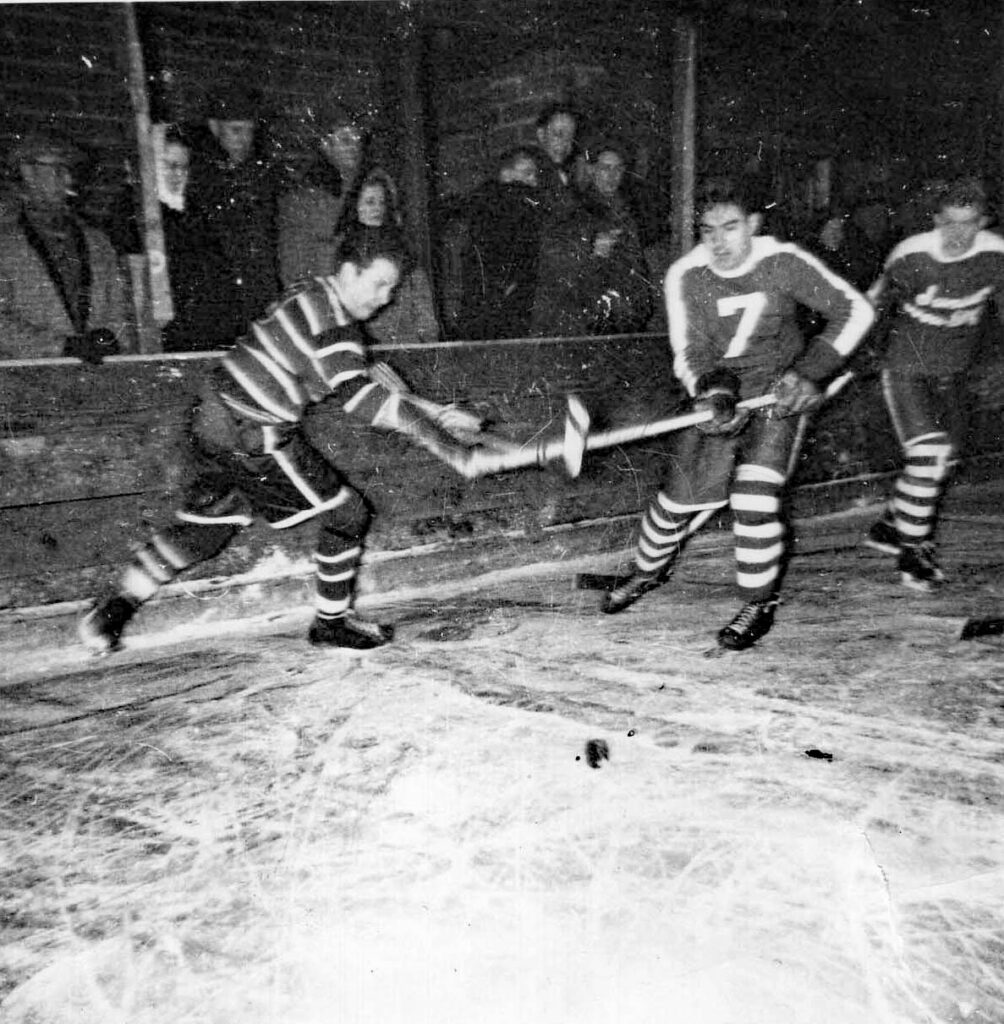
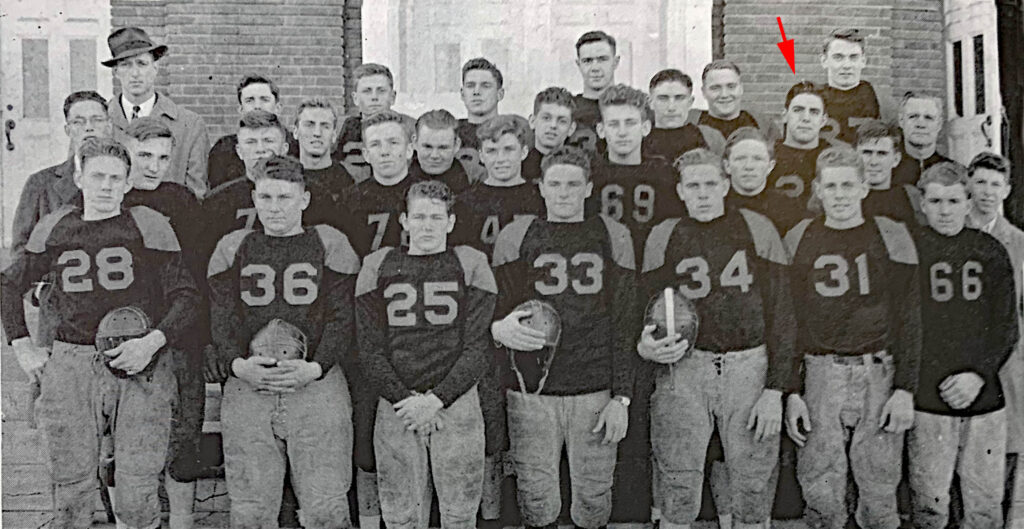
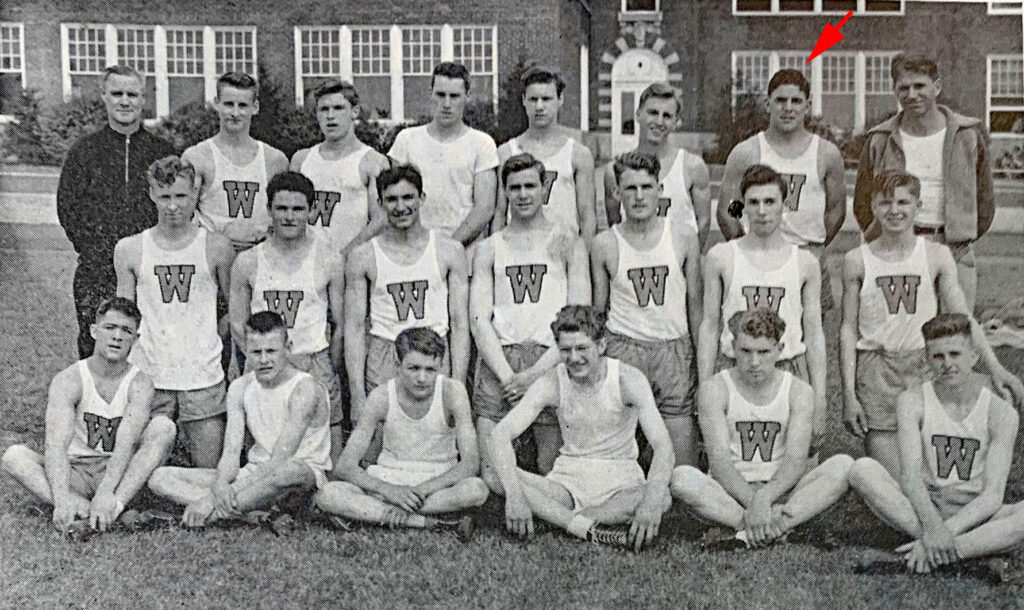
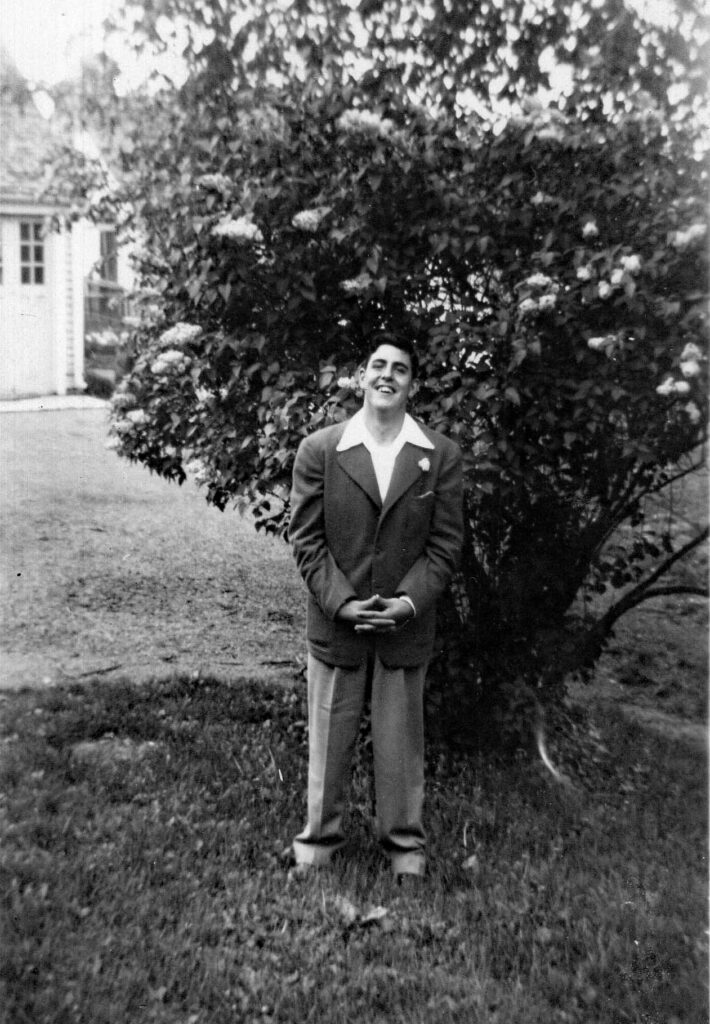
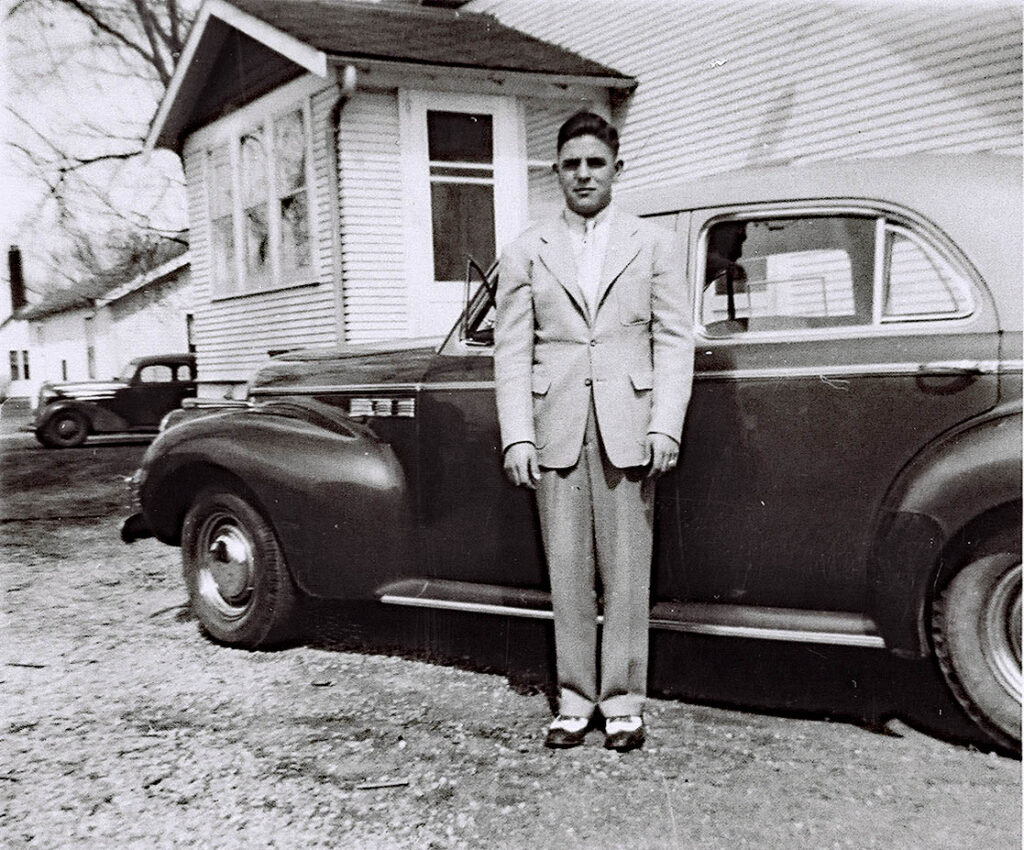
In the fall of 1940, 15 year old Jack began his freshman year at White Bear High School located just a few blocks from his home. He quickly became involved in several extracurricular activities. He wrote in his memoirs that, “I went to White Bear High School; making letters in football, track, wrestling and hockey, of which I was captain. I ran the half mile in 2 minutes and 11 seconds, played defense on the hockey team and tackle on the football team. Wrestling was an intramural sport. I wrestled heavyweight at 172 pounds and was undefeated. I was very competitive in all sports. I usually hung around with friends a couple of years older than me. I will always remember wrestling with Mark Peltier and Louis “Pooka” Heckel. Mark was a half cousin and Louis was a first cousin; his mother was my father’s sister. Back to the wrestling, Mark and Louis would take me on and I would give them 15 minutes to pin me, we would watch the clock at the station on Fourth and Bald Eagle Avenue; I never did have them pin me!!”
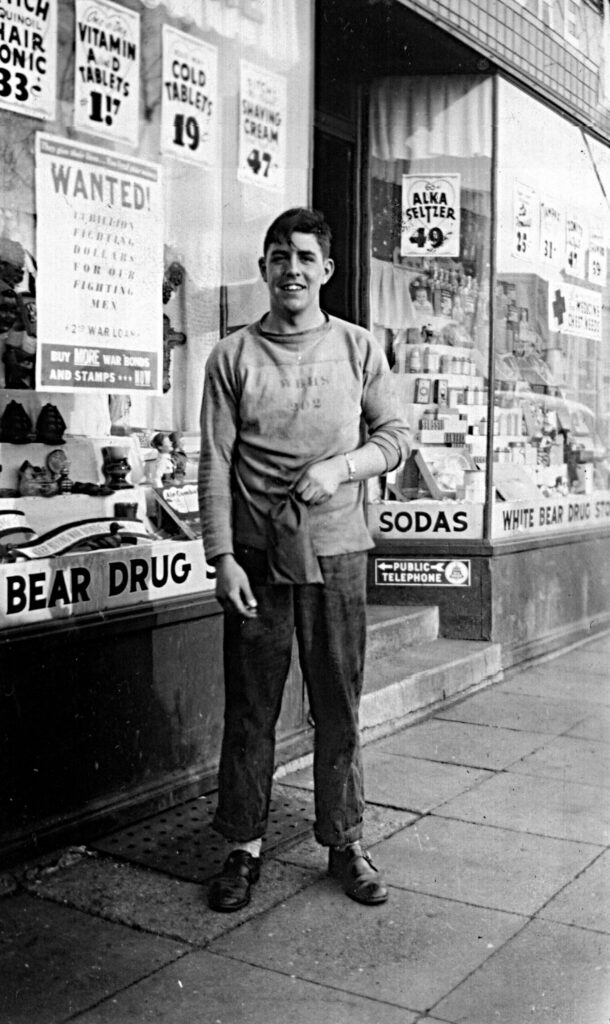
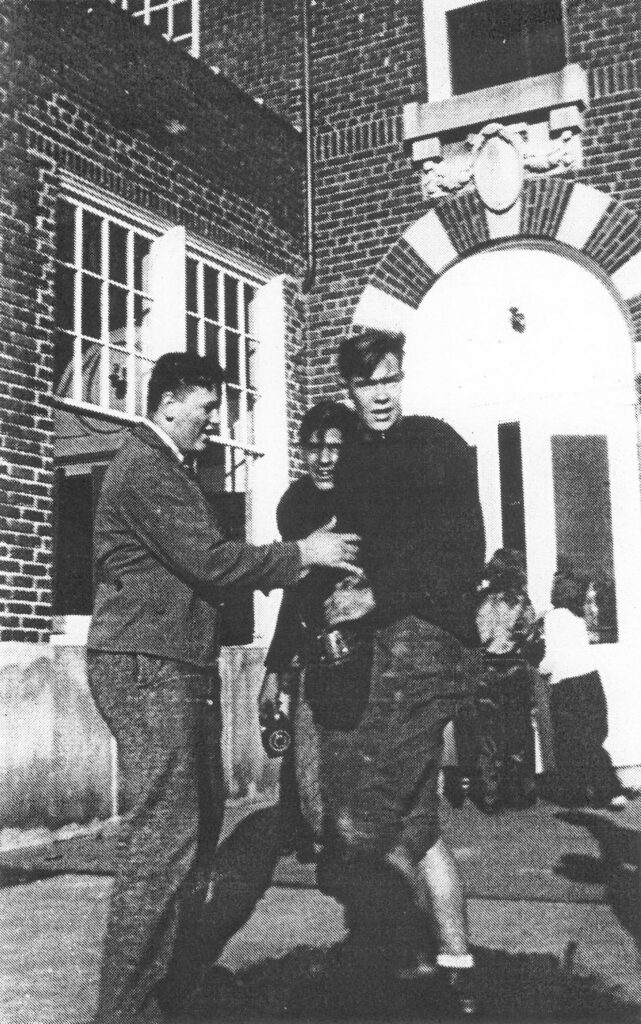
He’s delivering a money bag to the bank.
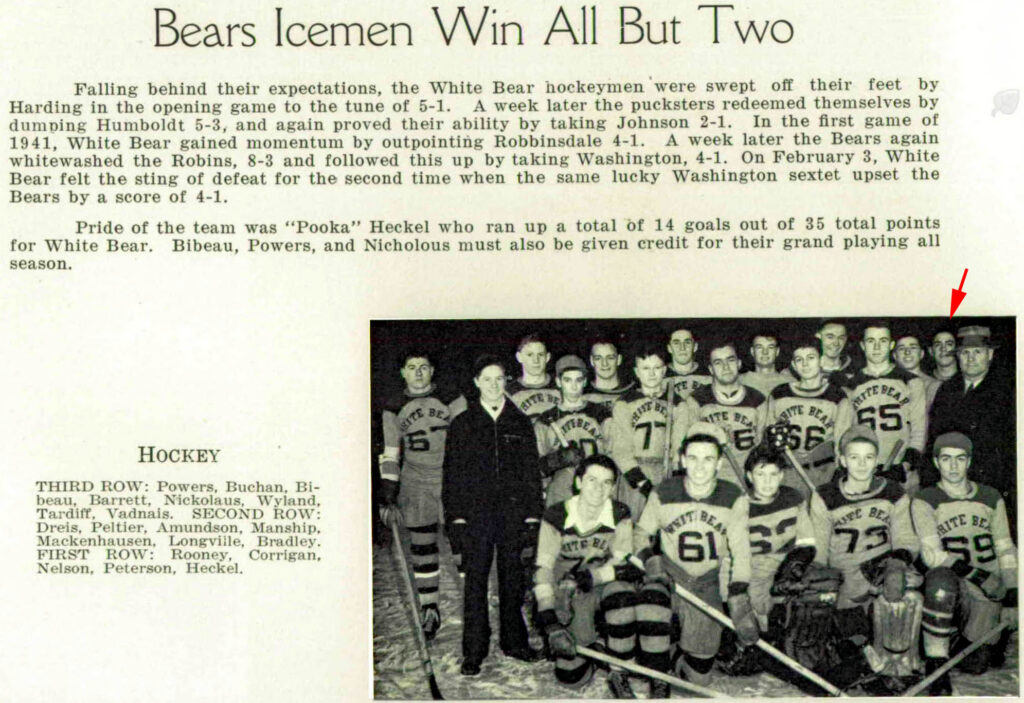
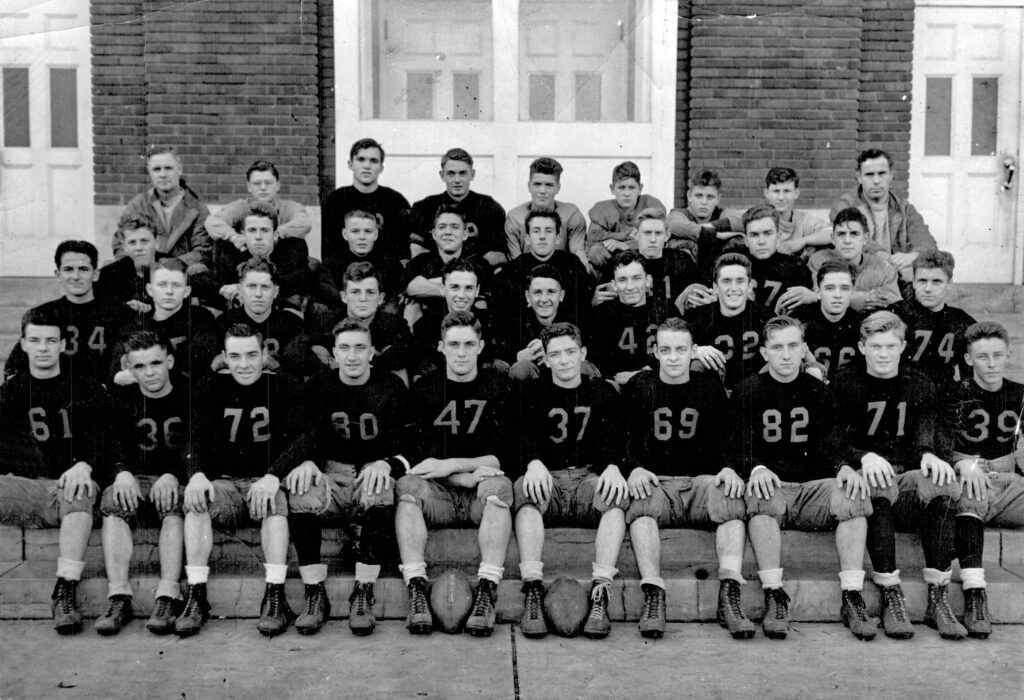
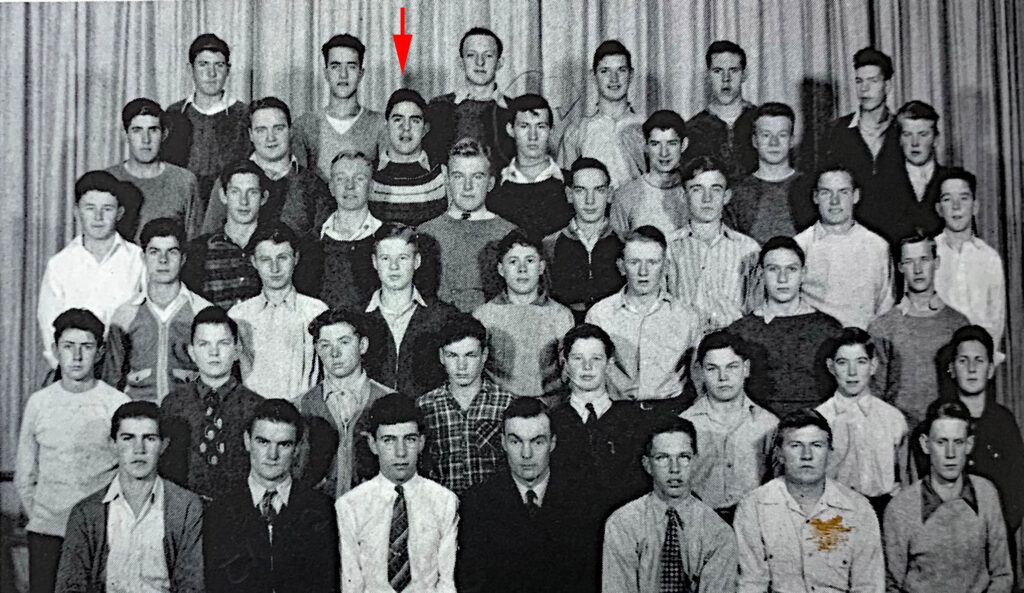
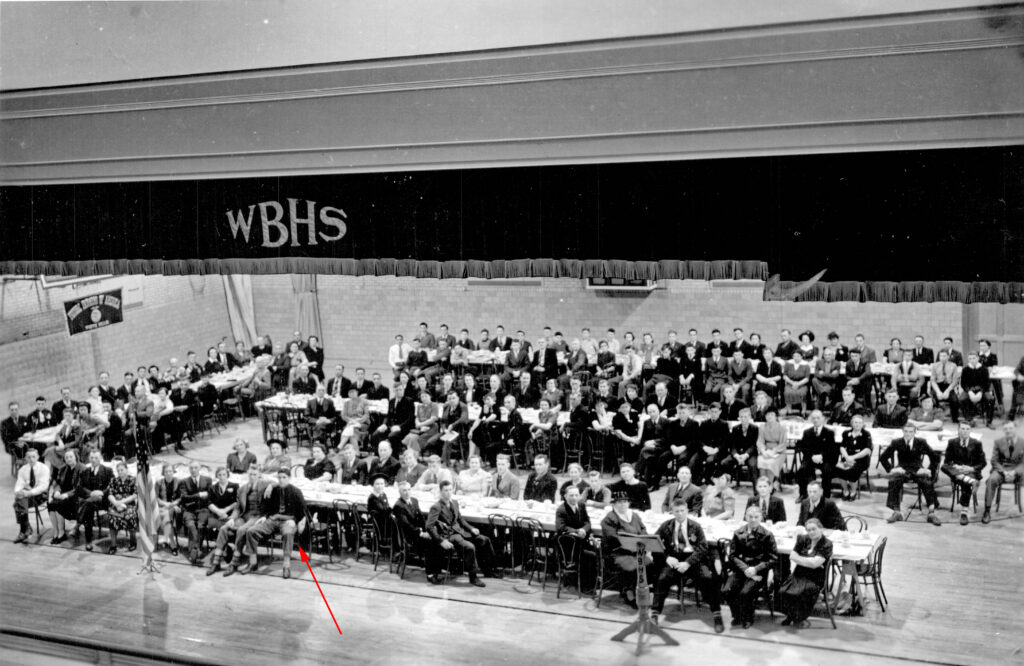
Jack is in the back row on the right (under the arrow) and Jack’s first cousin, Louis “Pooka” Heckel is in the front row on the right.
In the summer of 1941, 16 year old Jack operated the Mobil gas station located on the southeast corner of Highway 61 and Third Street. He was also charged with selling Greyhound Bus tickets as the station was a pickup/dropoff location for the bus company.
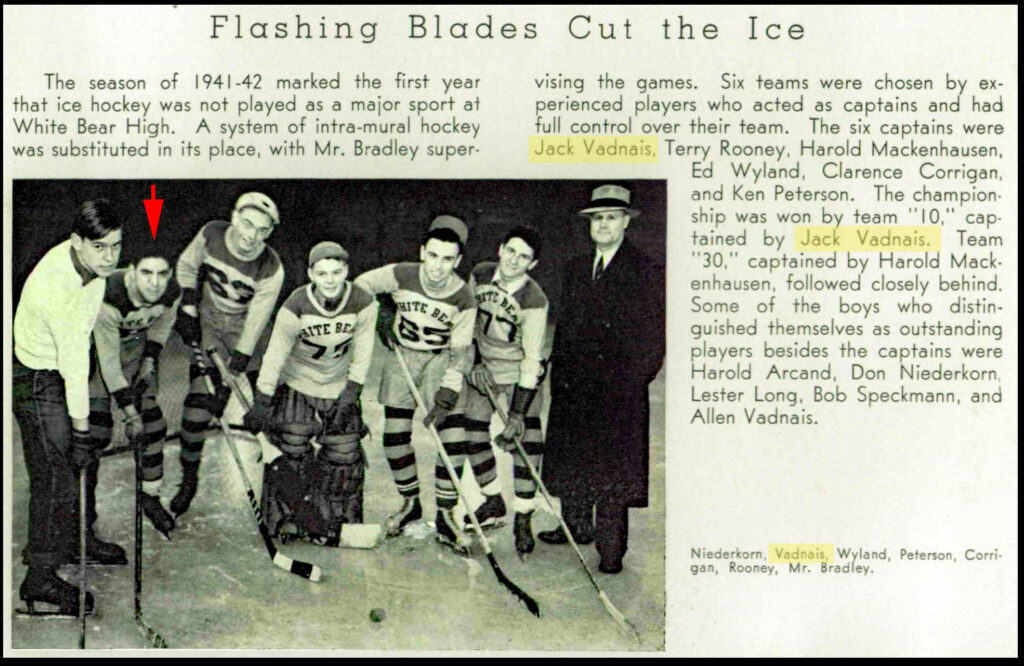
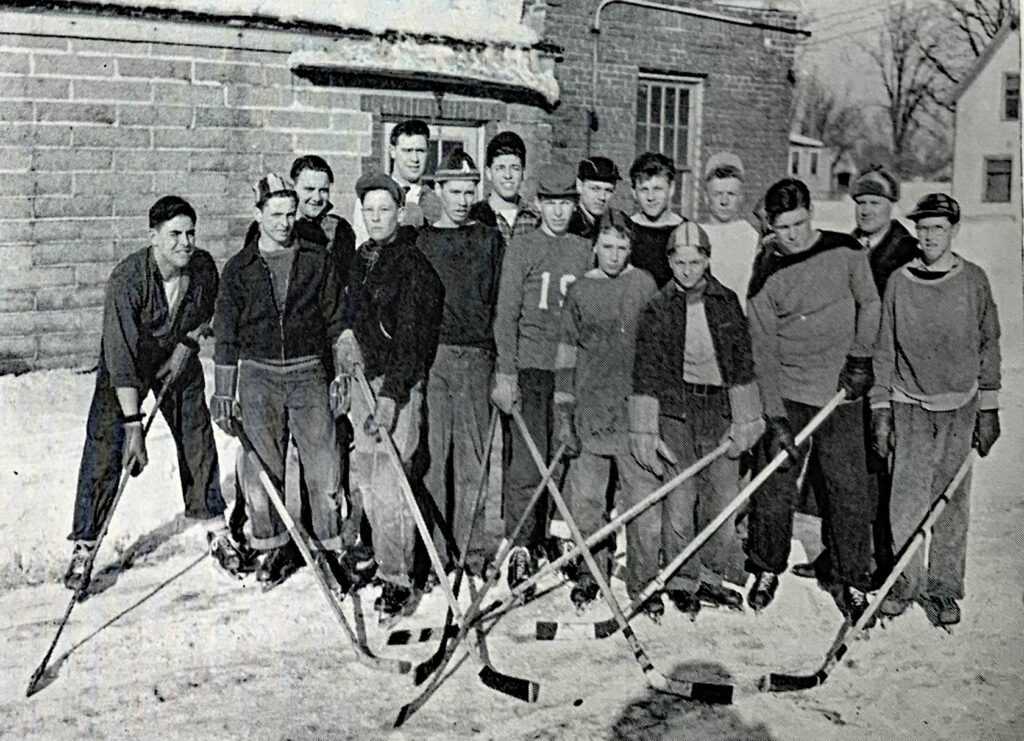
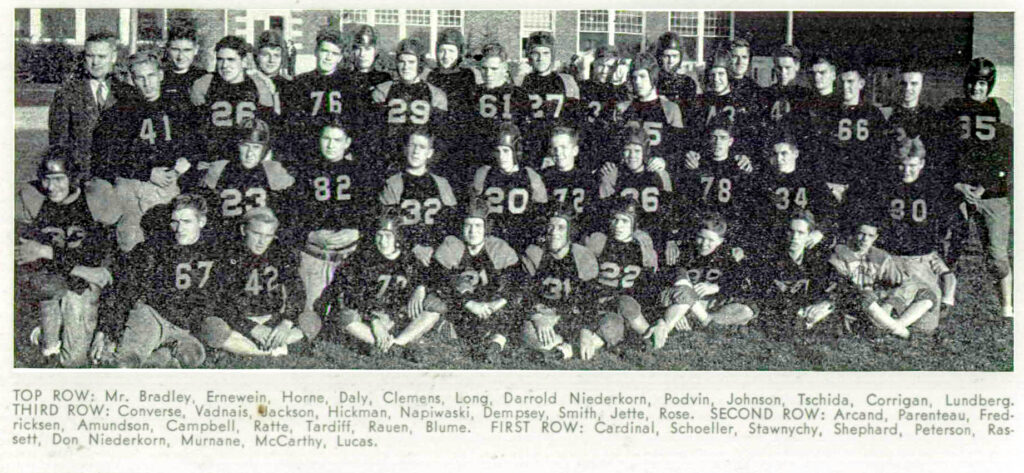
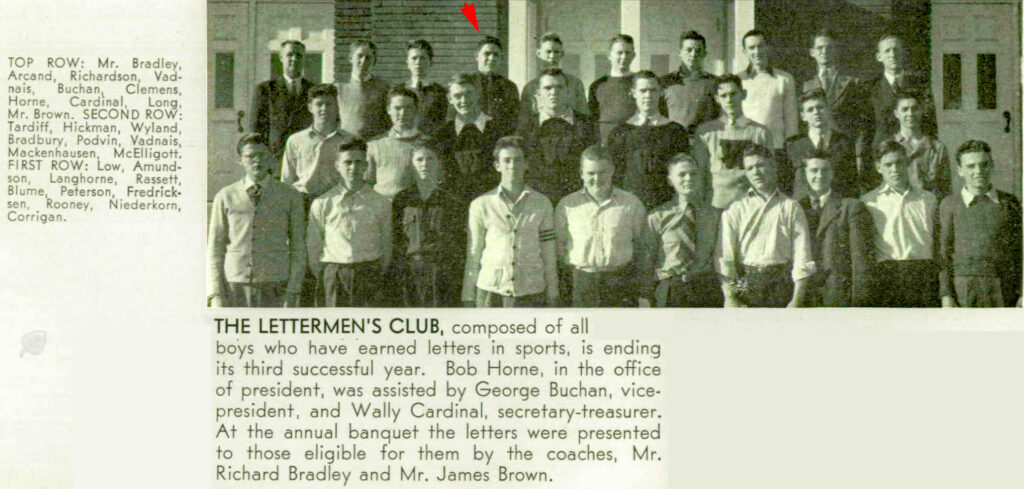
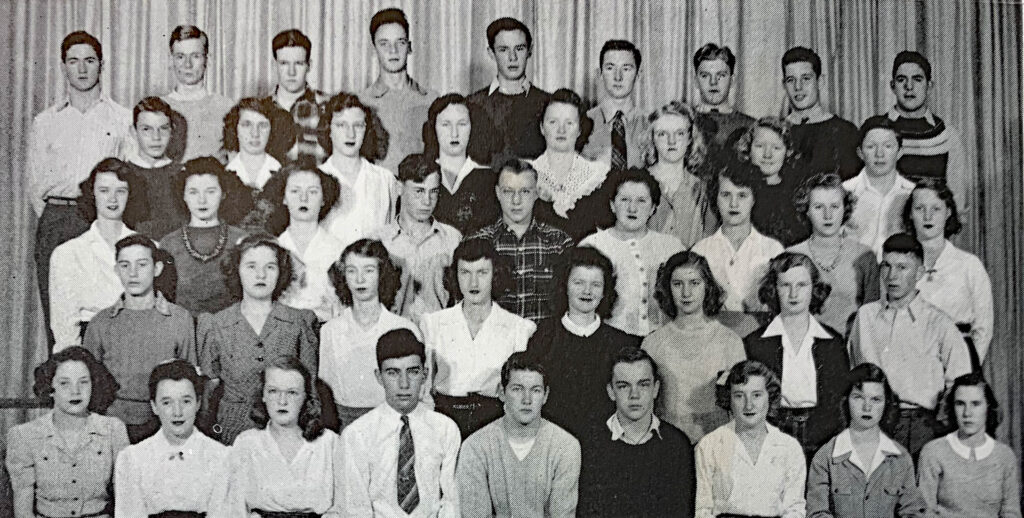
Jack’s first cousin, Allen Vadnais (2nd row, 3rd from the right) is also a club member.
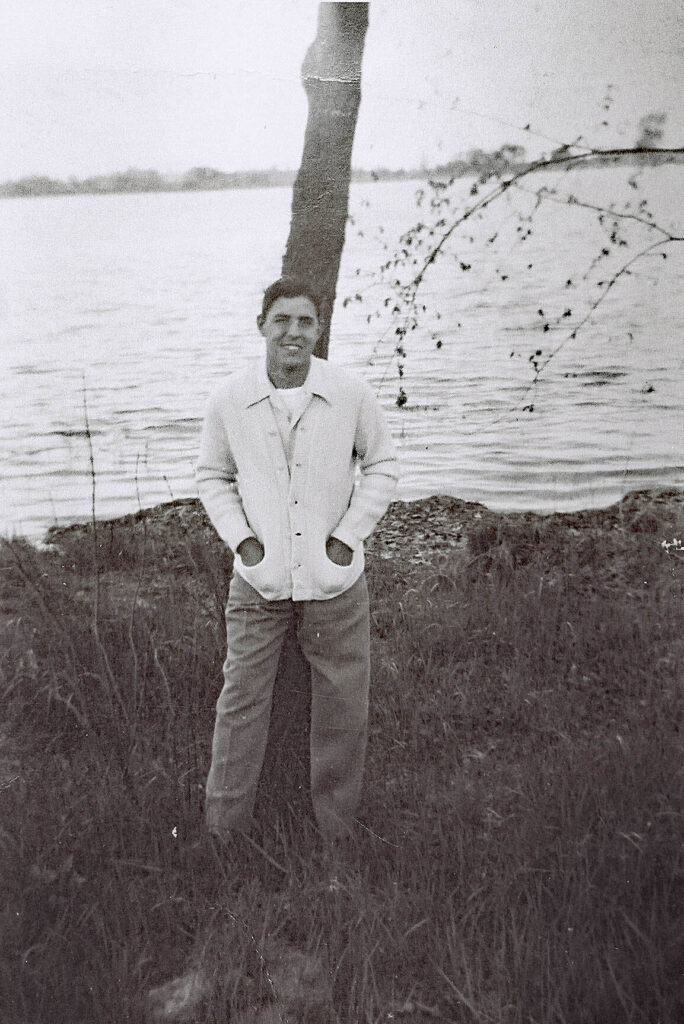
Throughout his high school years, Jack was also active in FFA (Future Farmers of America).
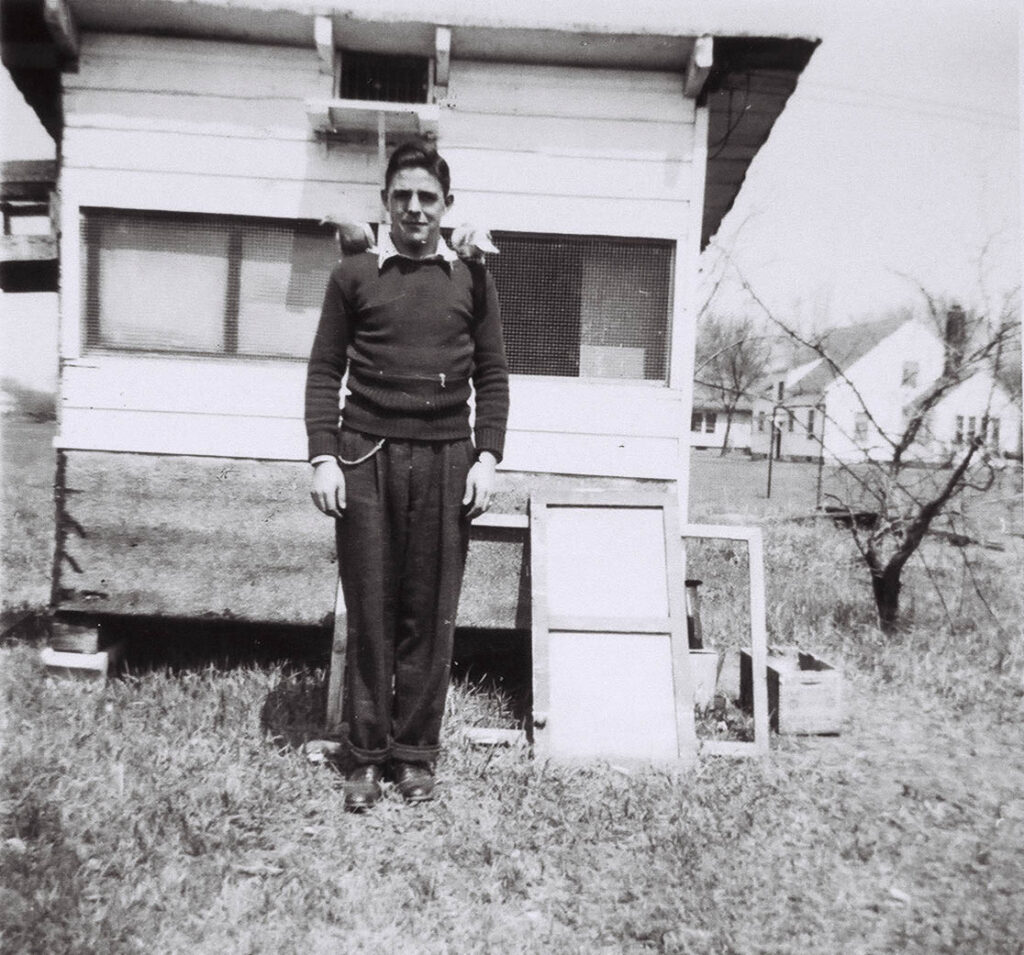
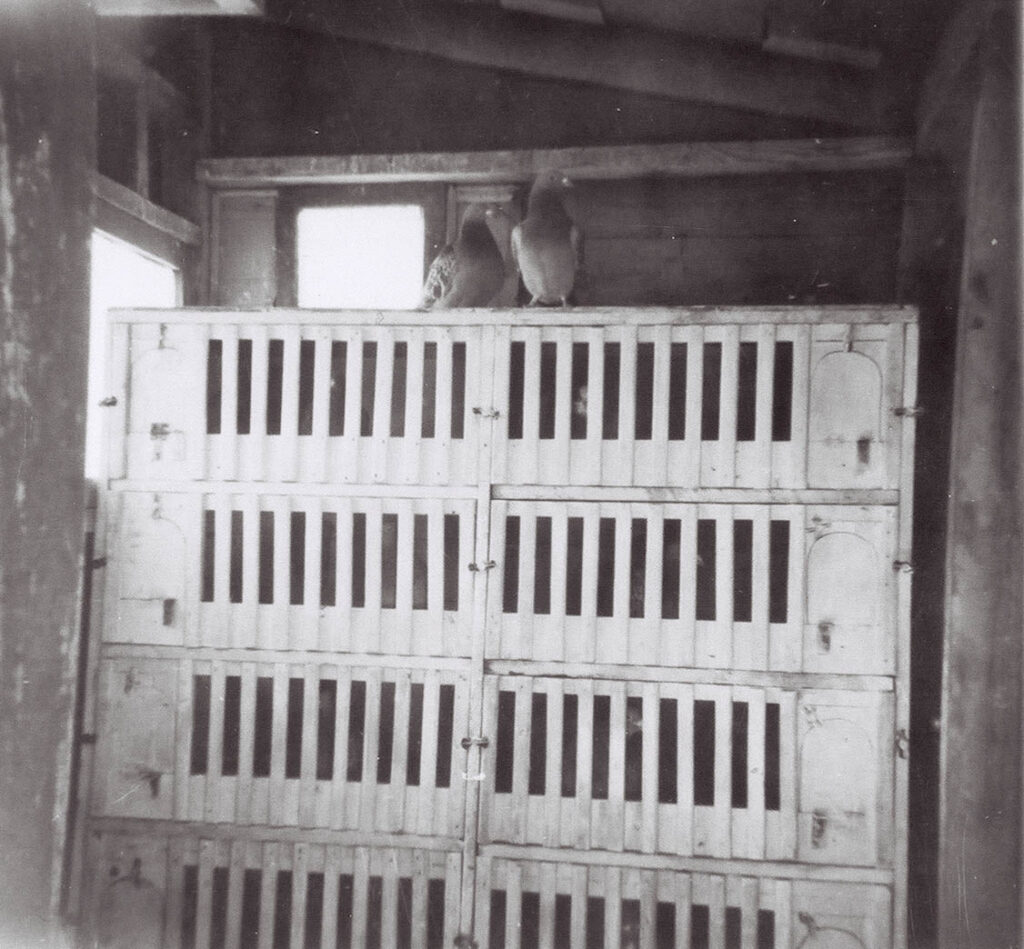
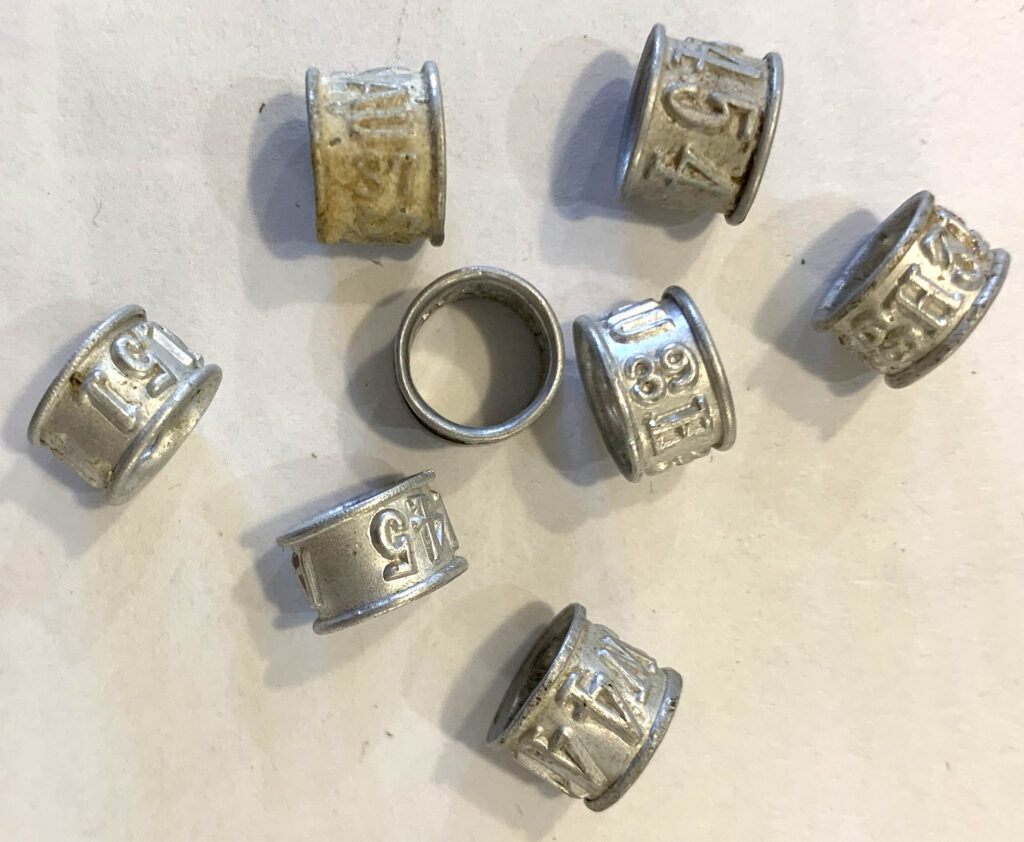
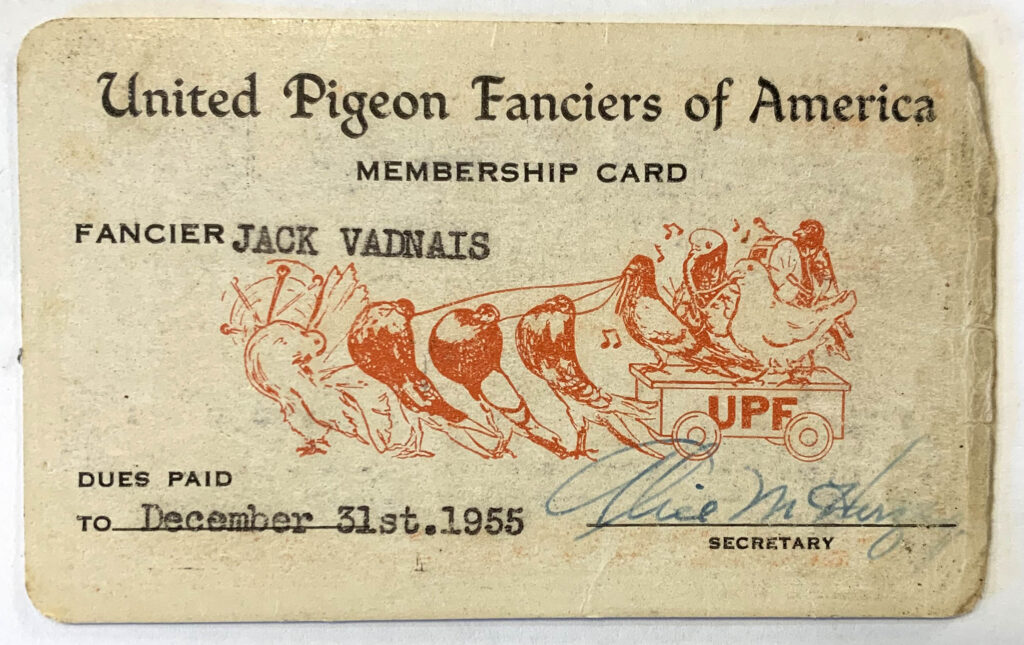
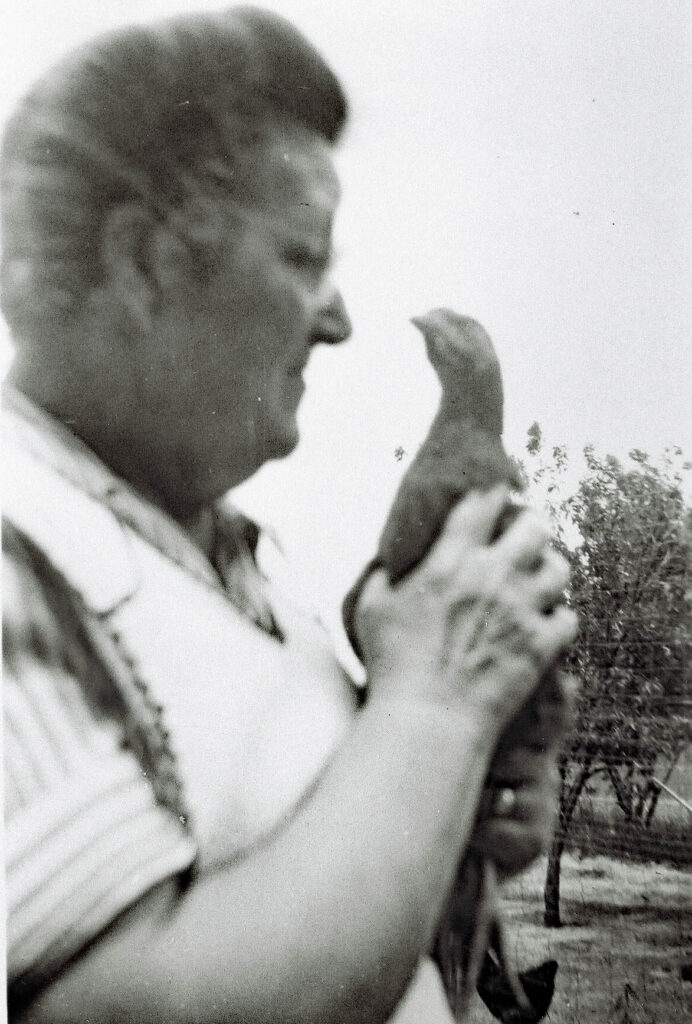
One of Jack’s FFA projects involved raising homing pigeons. He wrote that, “At about sixteen I started to raise homing pigeons. Bob Hoffman, Ralph Truax, Ron Amundson, Bob Ahlstrom, Ted Fleckner and I made up a club. We raced our pigeons from Amarillo, Texas, which was 1000 air miles from White Bear. We had birds that flew 500 miles in a day in the shorter races. One of the things I liked to do is to make money bets on how fast I could get my birds back into their coop after having released them. I would let the pigeons out, they would start to circle the coop, each time going further and further, till they were out sight. I would let my friends tell me when to get them back into the coop, which was always after the flock was long out of sight. Once given the go ahead, I would whistle and within a couple of minutes the birds would be in the coop. My secret was the whistle I would give the pigeons every time I approached the coop to feed them.”
I was told that the pigeons were shipped via train to Amarillo where the station master would release them. When they were let go, the time of release for each pigeon, which was identified by a numbered band on its leg, was recorded on a postcard which was then mailed back to Jack in White Bear. Often the pigeons would arrive back at the coop before their postcard was delivered.
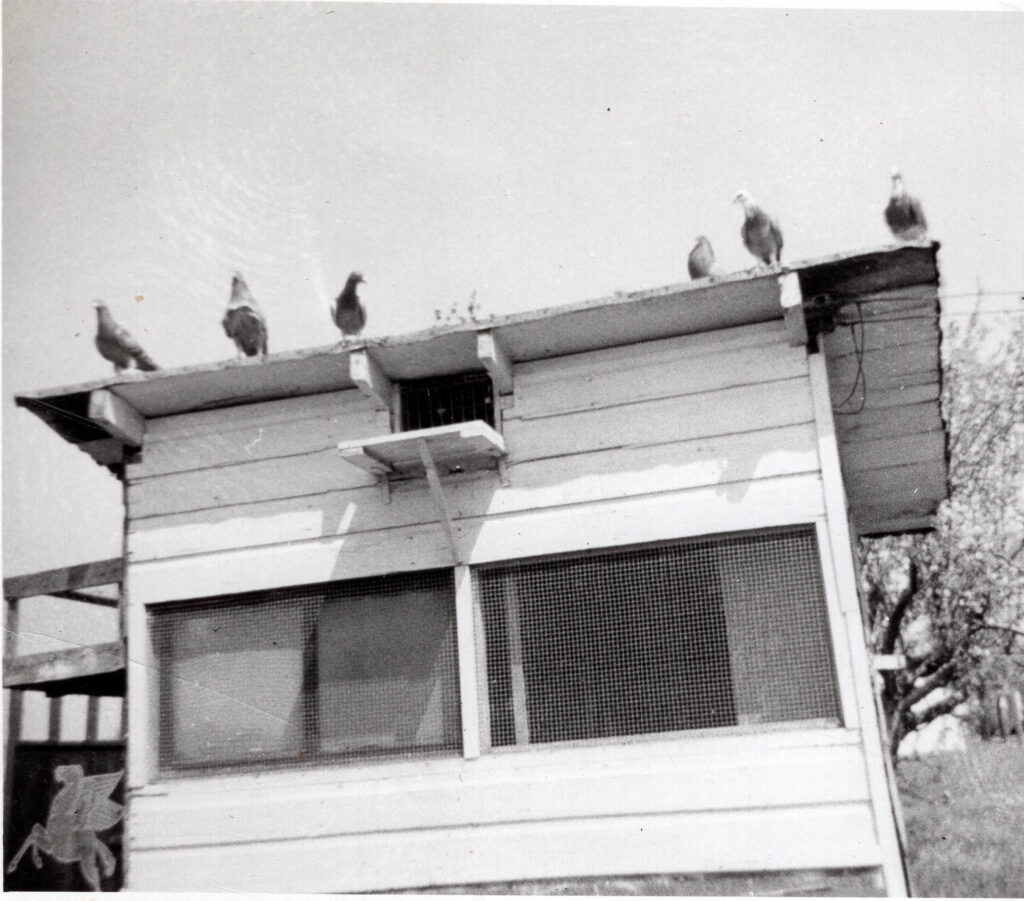
Notice the Mobil Pegasus sign off to the left.
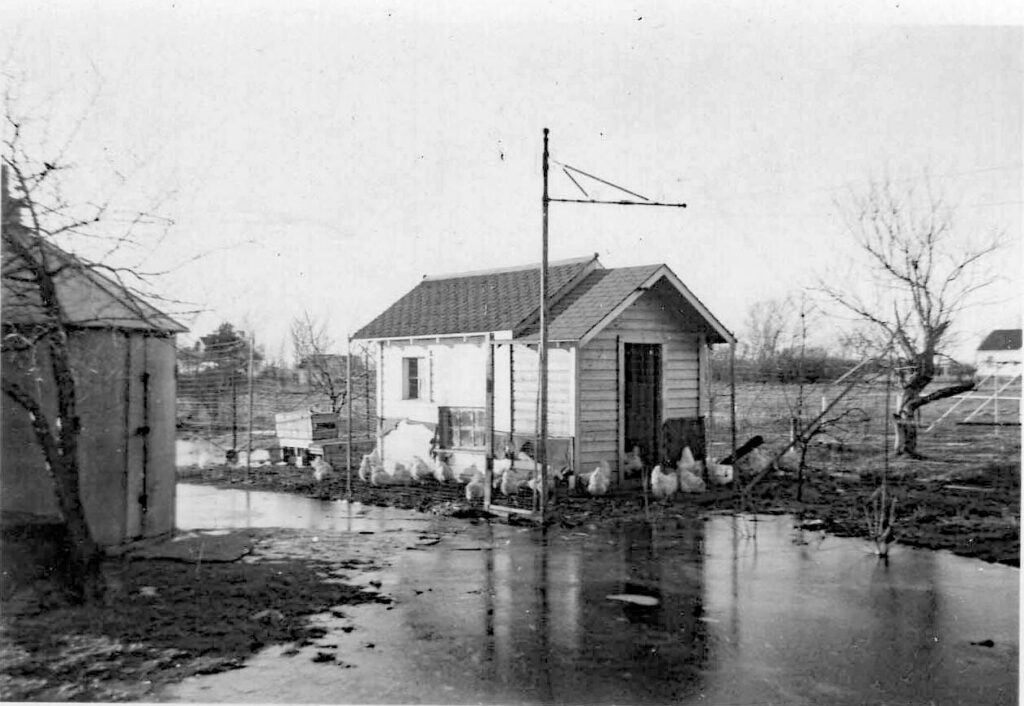
In his freshman year, Jack started to raise chickens. When he went into the service his Dad, Adlore, took over the job. Adlore, like Jack, enjoyed taking care of the chickens.
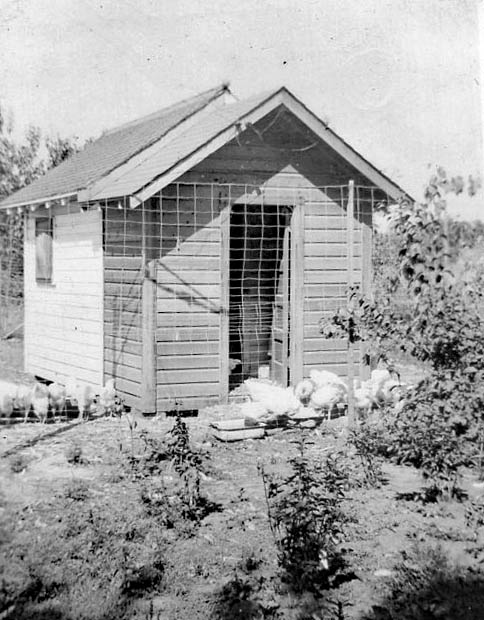
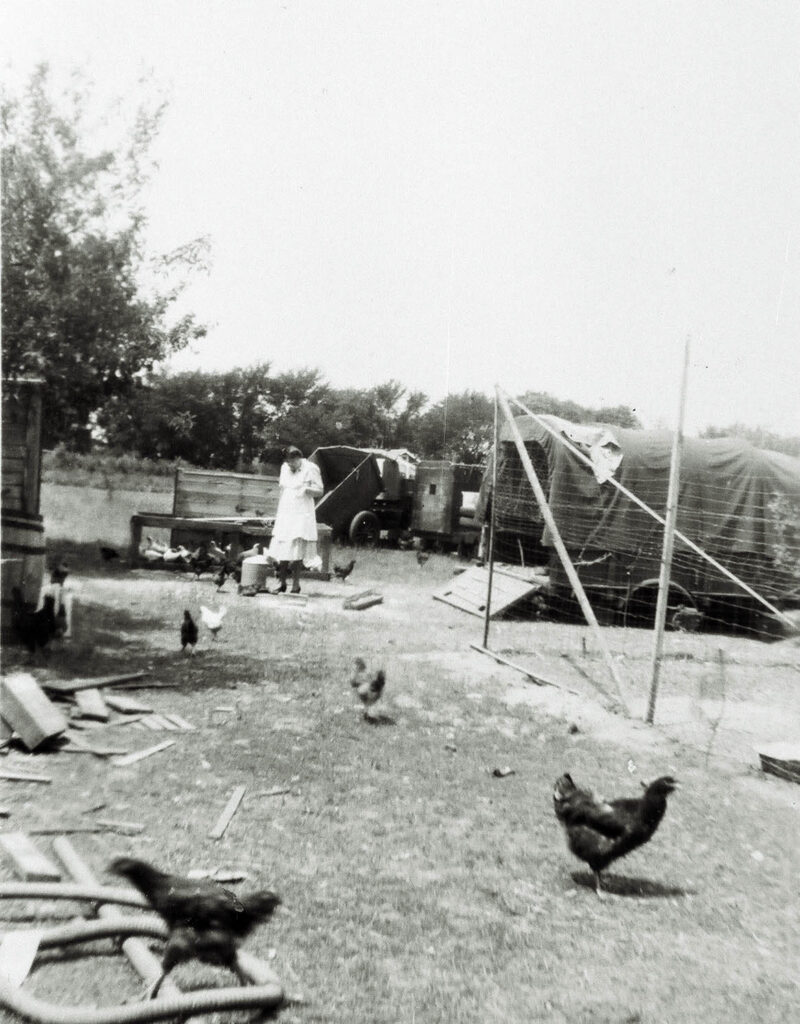
One of the things Jack did while in school was to carry the Reis girl (Barbara?) from class to class. If memory serves me right, she had polio and could not walk the distance between classes or up and down the stairs. I don’t know how long Jack helped her, but for the time he did, I am sure it was appreciated.
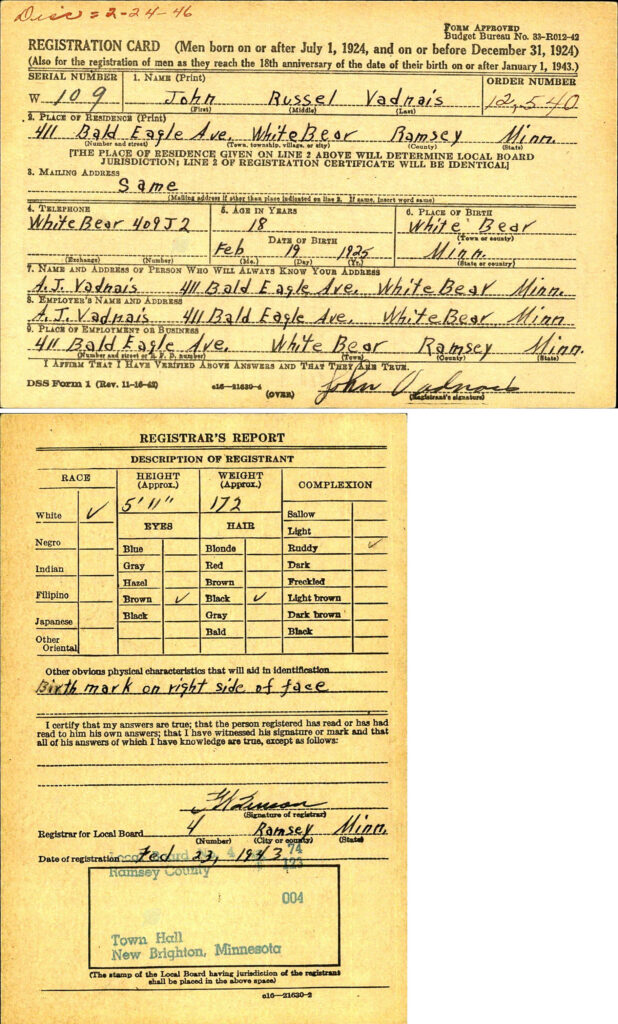
It’s important to remember that Jack and all of his classmates, even before they started high school, lived under the threat of the United States becoming involved in WWII. When Jack began the 8th grade in September 1939, Germany had just invaded Poland and shortly after he started his freshman year in high school in 1940, the Luftwaffe was relentlessly bombing Great Britain; that campaign lasted until May 11, 1941. The war raged on as 16 year old Jack returned to school in the fall of 1941. After the bombing of Pearl Harbor on December 7, 1941, the United States had no choice but to become involved in WWII. Jack quickly saw his family members and other men in the community registering for the draft with some being chosen to serve and others not chosen. Food rationing began in the summer of 1942 and by 1943 it would grow to include over 21 food and nonfood products; there was no escaping the war even though it was raging on the other side of the world. In the fall of 1942, Jack was 17 years old when he started his junior year of high school and I am sure he had thoughts of it being his last year of school. Jack more or less knew his fate when by December 1942 the Sixth Draft went into effect and part of the age requirements included men who had turned 18 after November 12, 1942. Jack would turn 18 on February 19, 1943, after which he was required to register. On February 23, 1943, while still a junior in high school, Jack registered for the draft.6 Although he requested a deferral so he could finish his senior year, it was denied. He would not see his senior year of high school, an environment he seemed to thrive in.
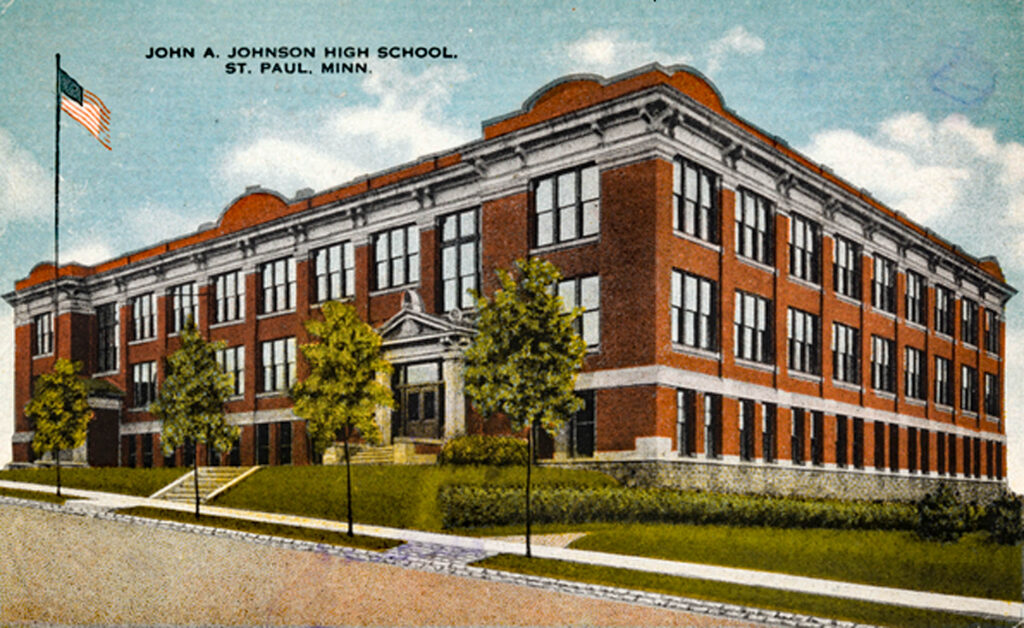
In the fall of 1941, 14 year old Bev started her freshman year at Johnson High School on York Avenue in St. Paul, just a few blocks away from her home.
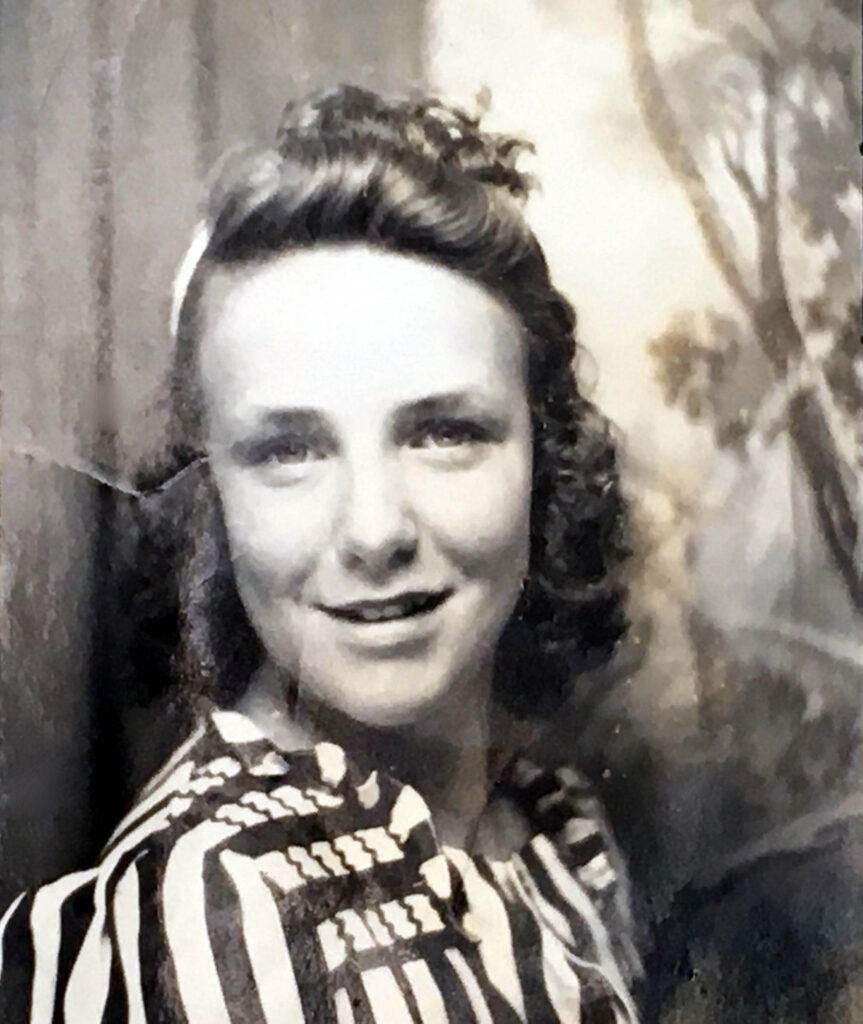
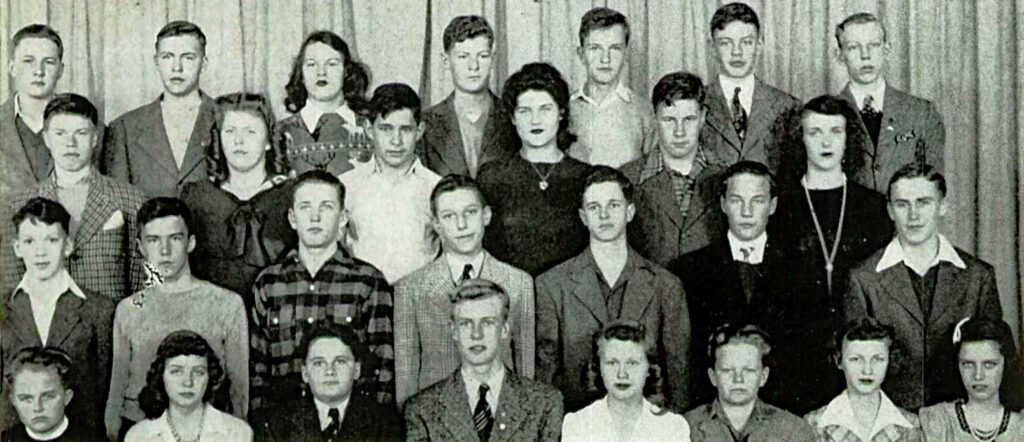
Bev’s best friend for life, Delores (Norsten) Nalpinski is in the third row, 4th from the left.
As a part of the war effort, Bev, like many of her classmates, worked when they were not in school. A shortage of men meant that women often took on jobs they would not normally hold. From 1943 through 1946, Bev worked for Martin Baking Company, The Golden Rule and Seeger Refrigerator Company, which was located at the bottom of the hill from her home.
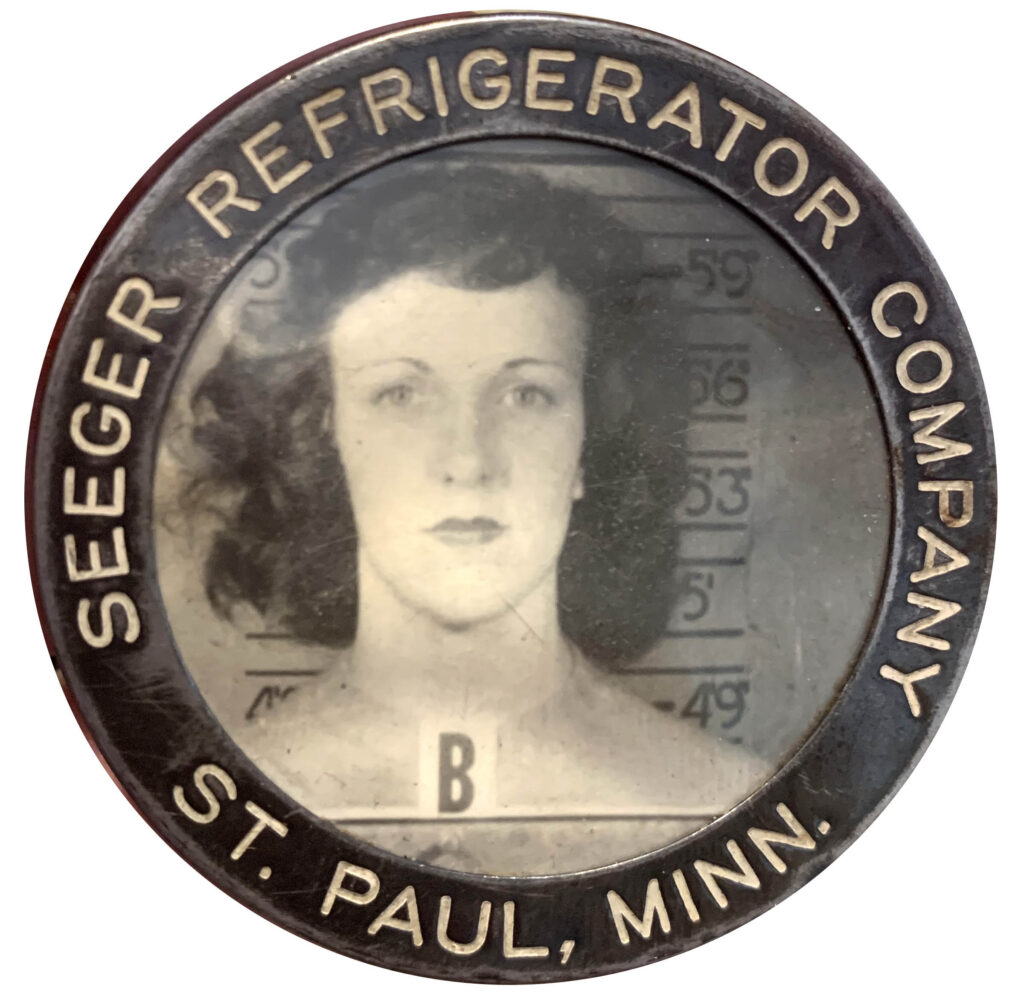
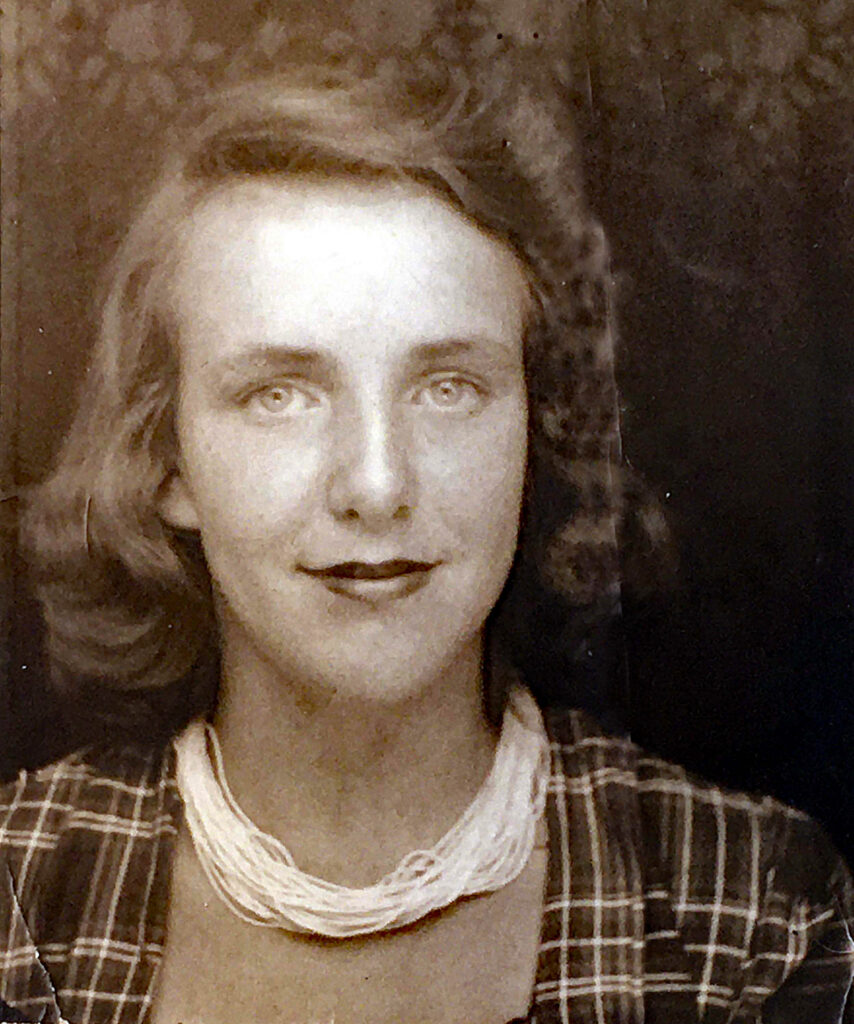
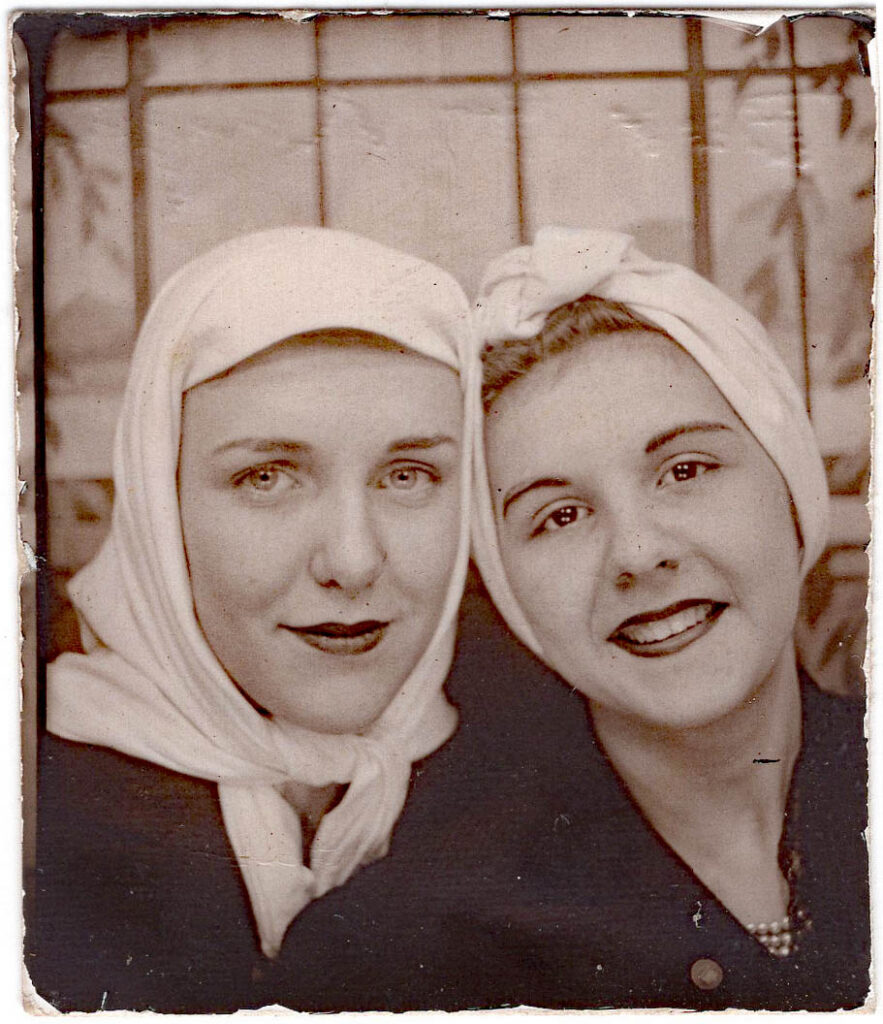
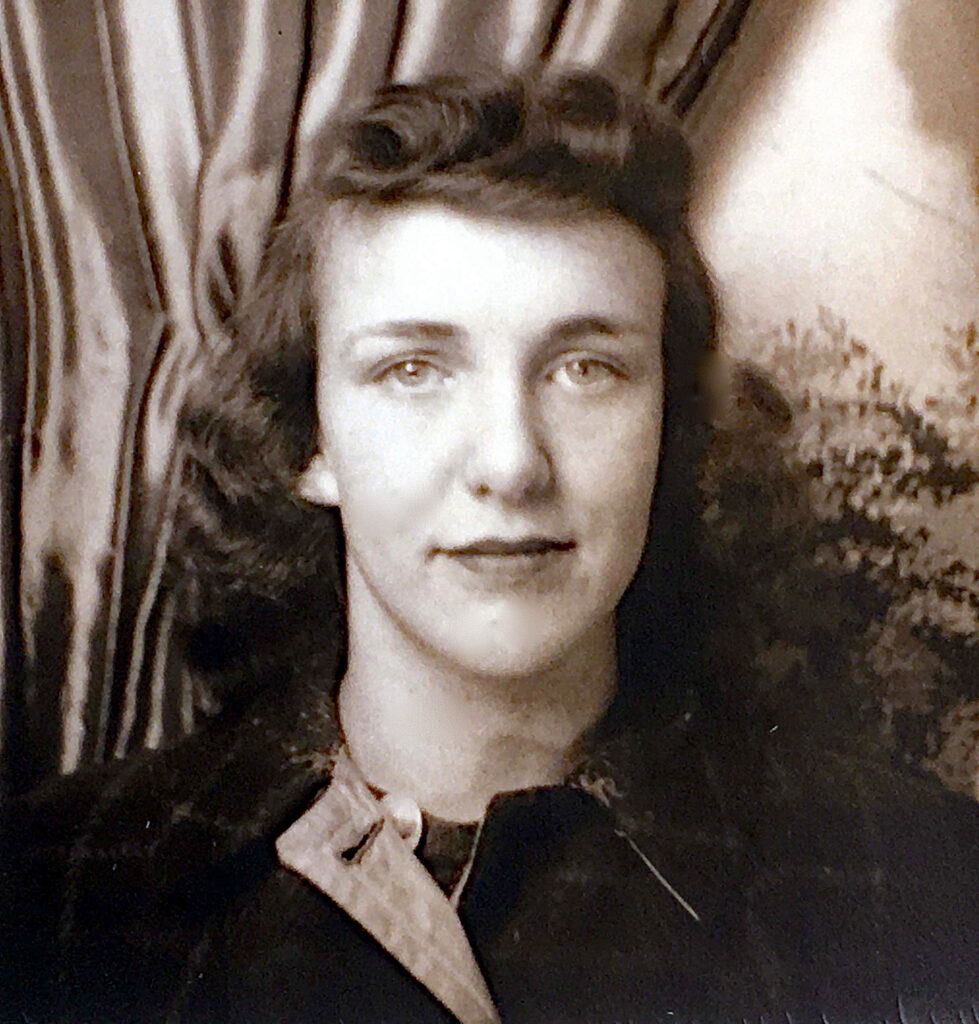
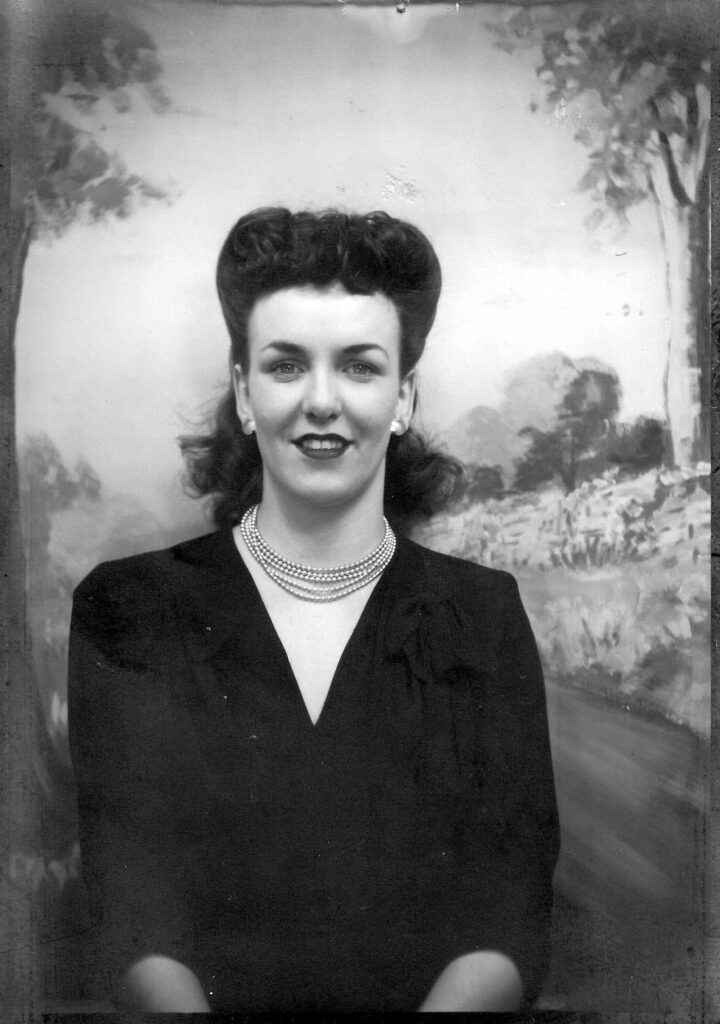
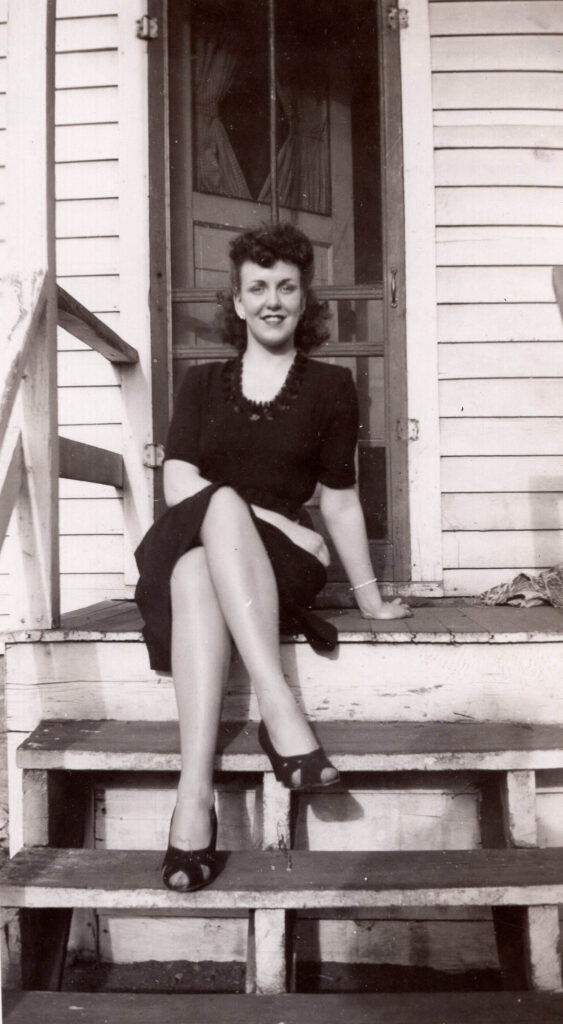
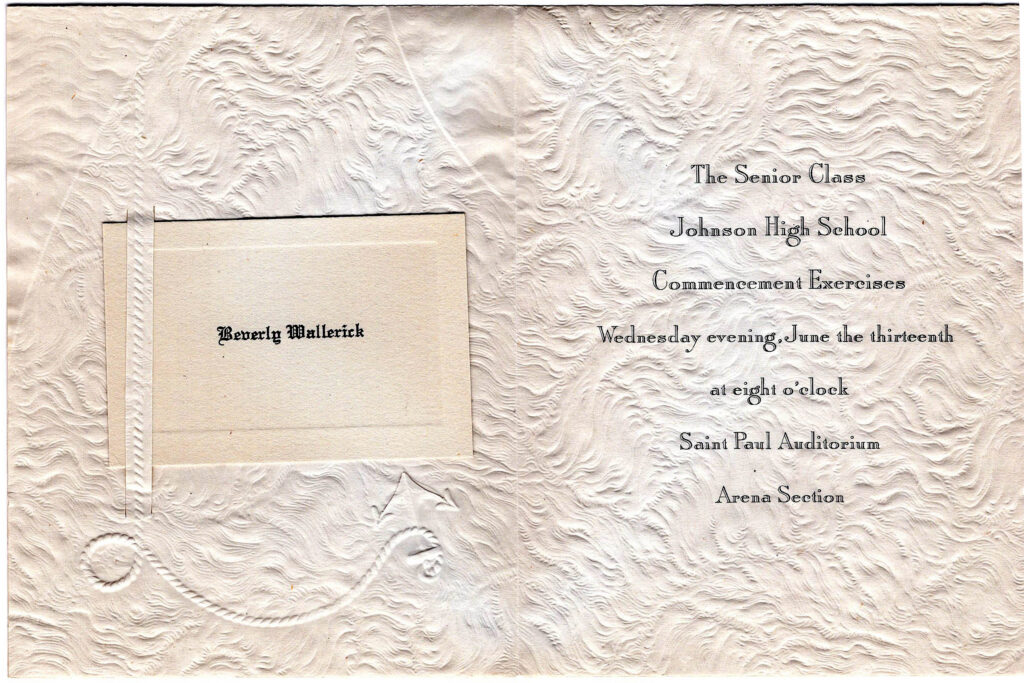
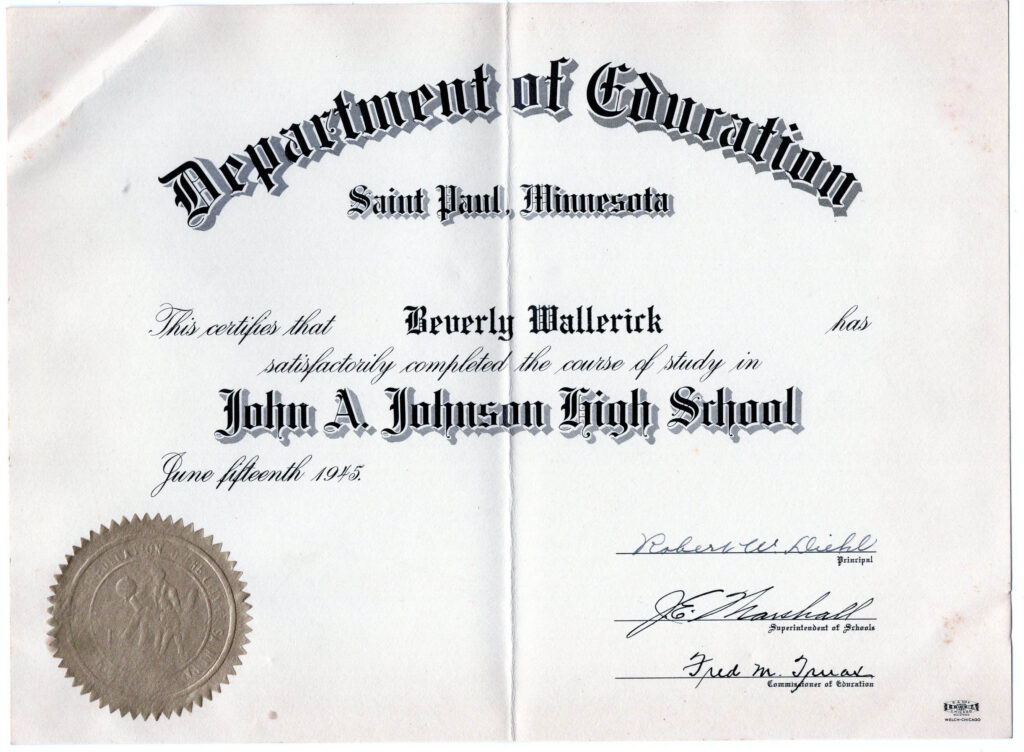
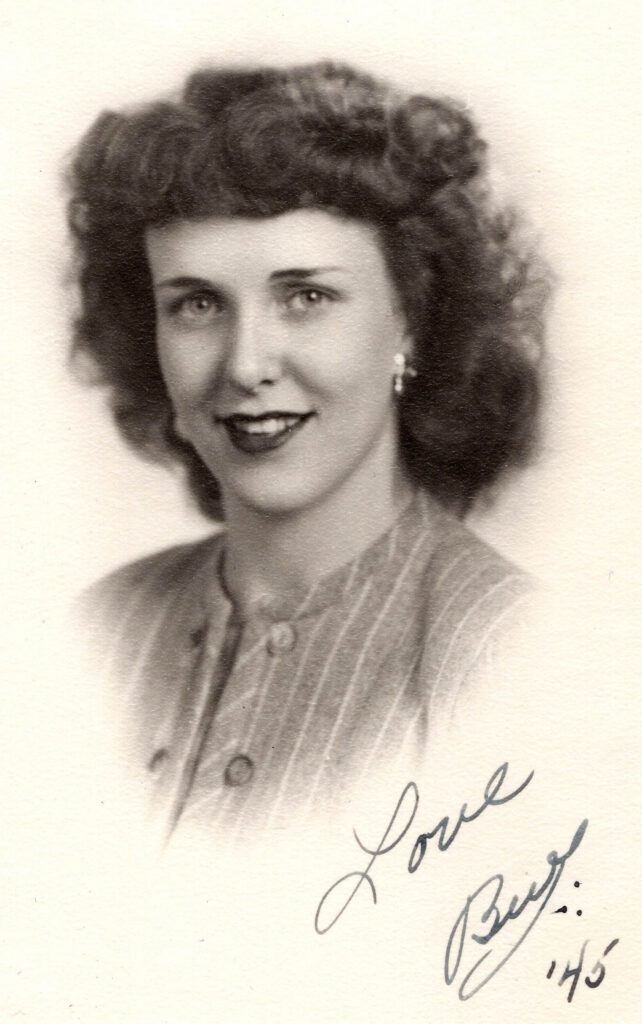
In 1945, 17 year old Bev graduated from Johnson High School.
To be continued…
Thanks for visiting, come back soon,
Cynthia
© 2026 Copyright by Cynthia Vadnais, All Rights Reserved
Footnotes for John Russell (Jack) Vadnais and Beverly Ann (Bev) Wallerick (part 2) post