
Jack enlisted in the Navy on June 28, 1943.
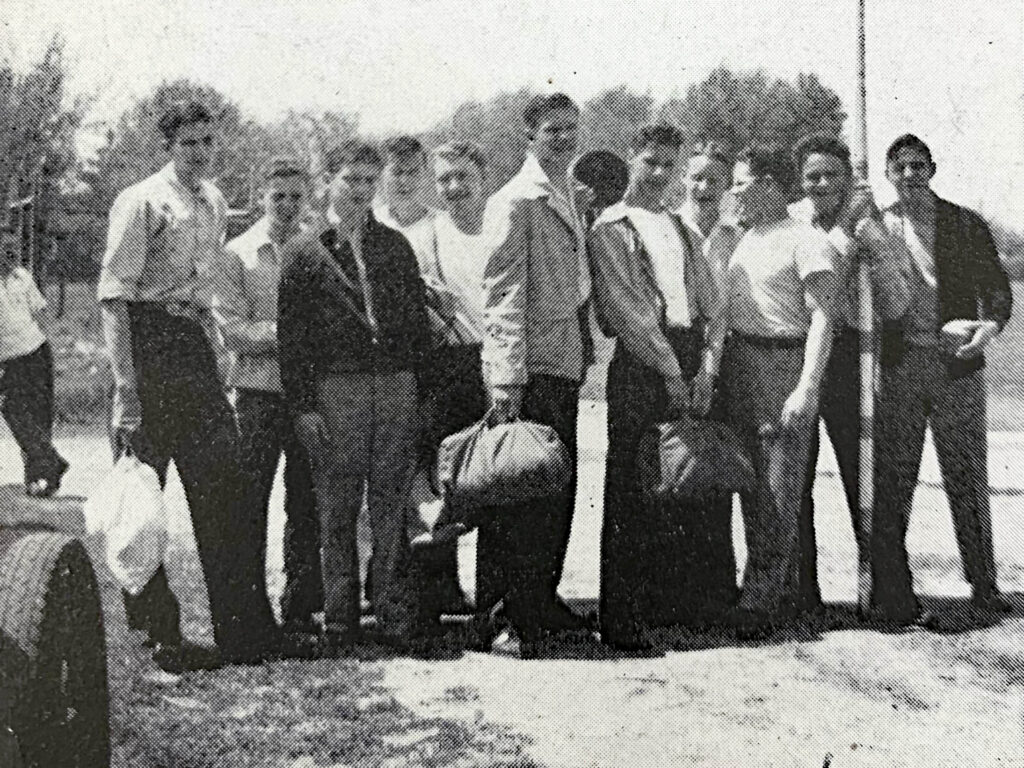
The 1944 Matoskan should have documented Jack’s senior year of high school, but this, and the following, are the only pictures of him in the book.
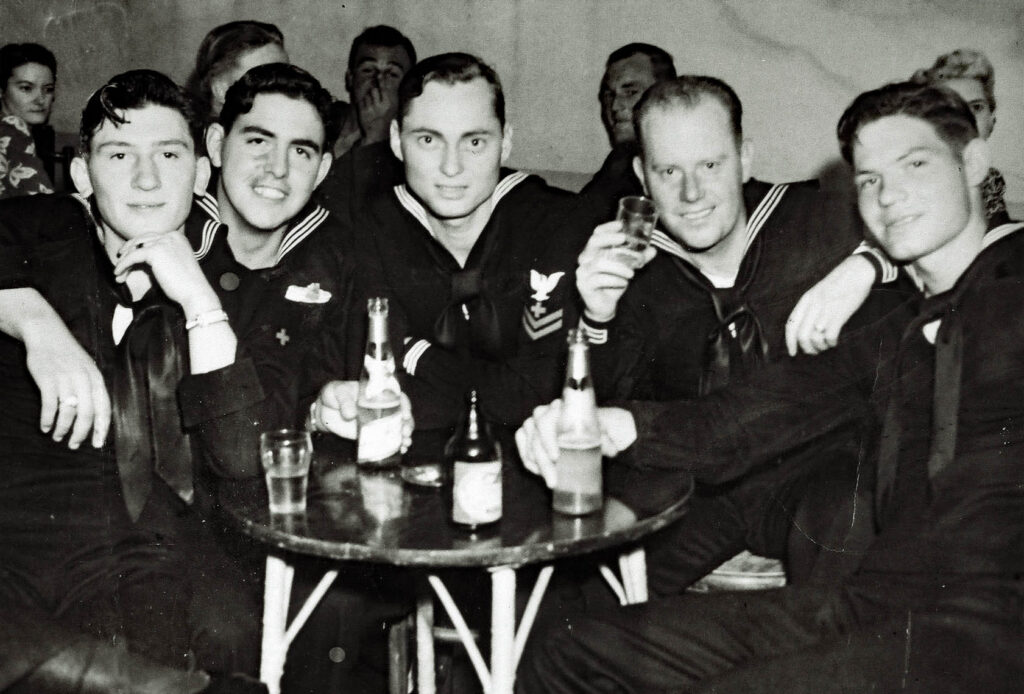
Jack wrote that, “In my senior year of high school, I was drafted into the service, my preference was the Navy. I and two of my buddies, George Buchan and Donald Lundberg, went to Farragut, Idaho for boot camp training. Don and I ended up in Company 505 in Camp Hill and George went to Company 506 in Camp Scott. I became Company Athletic Director with the nickname ‘Square Knot Admiral’ and Donald became Yeoman.”
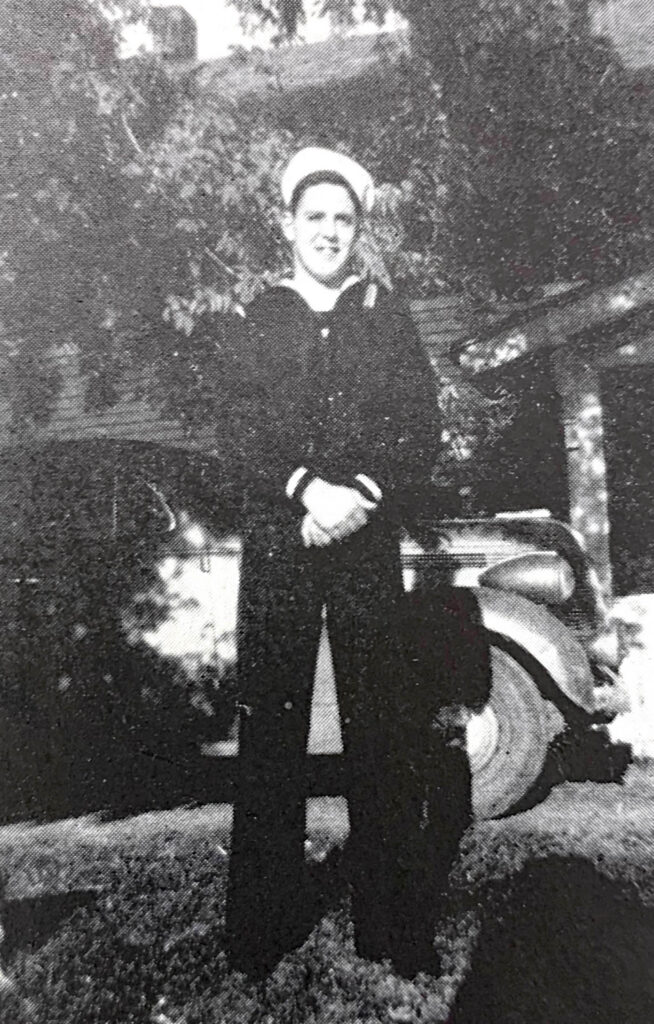
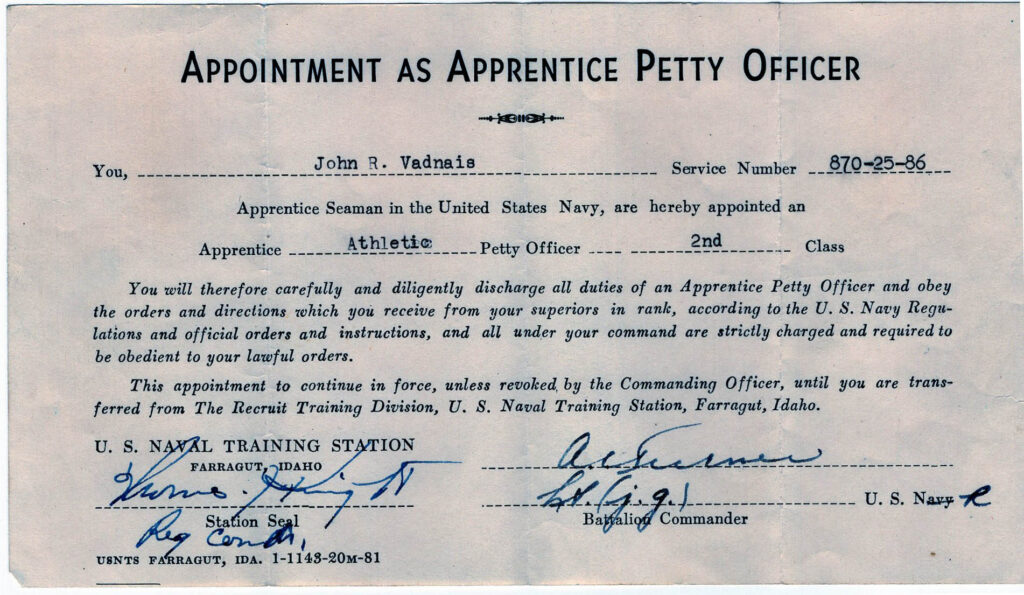
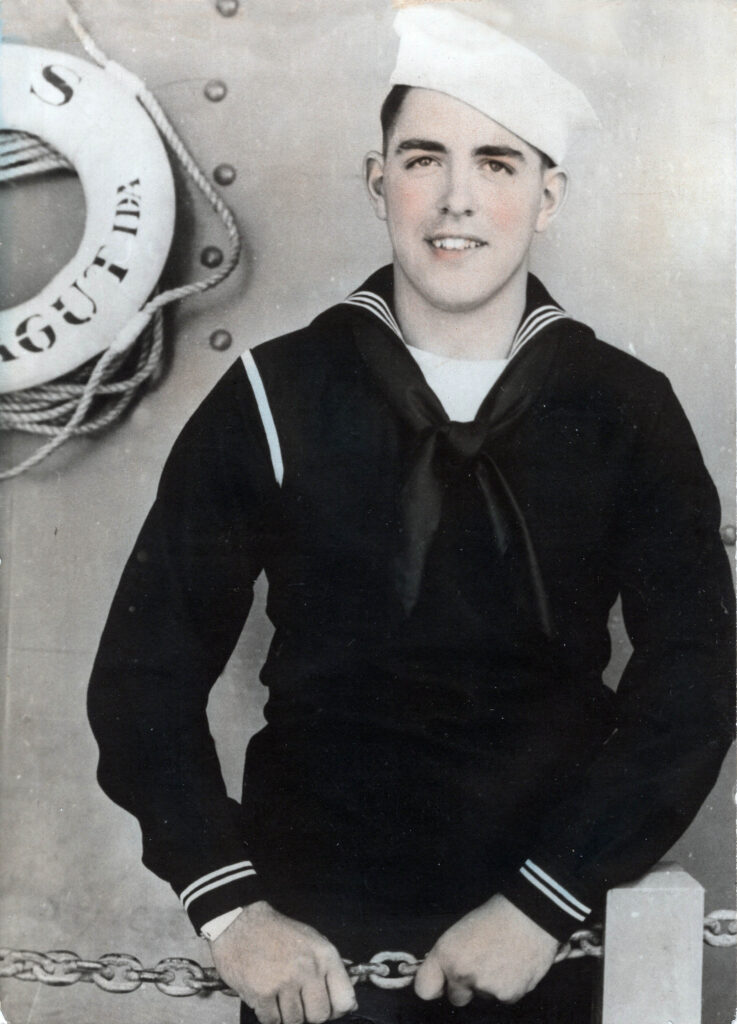
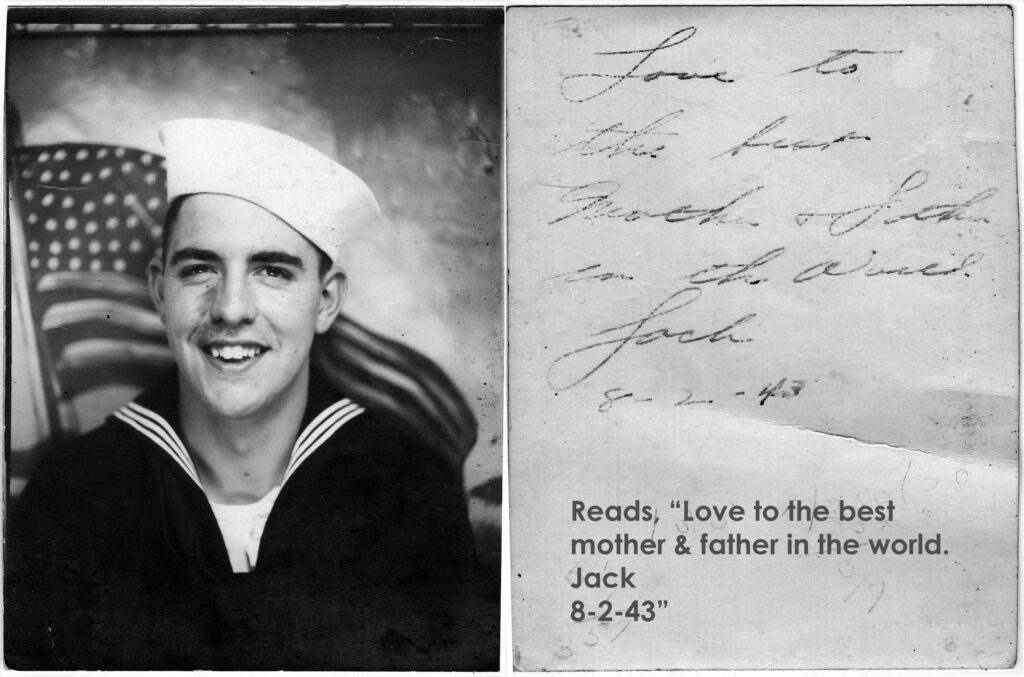
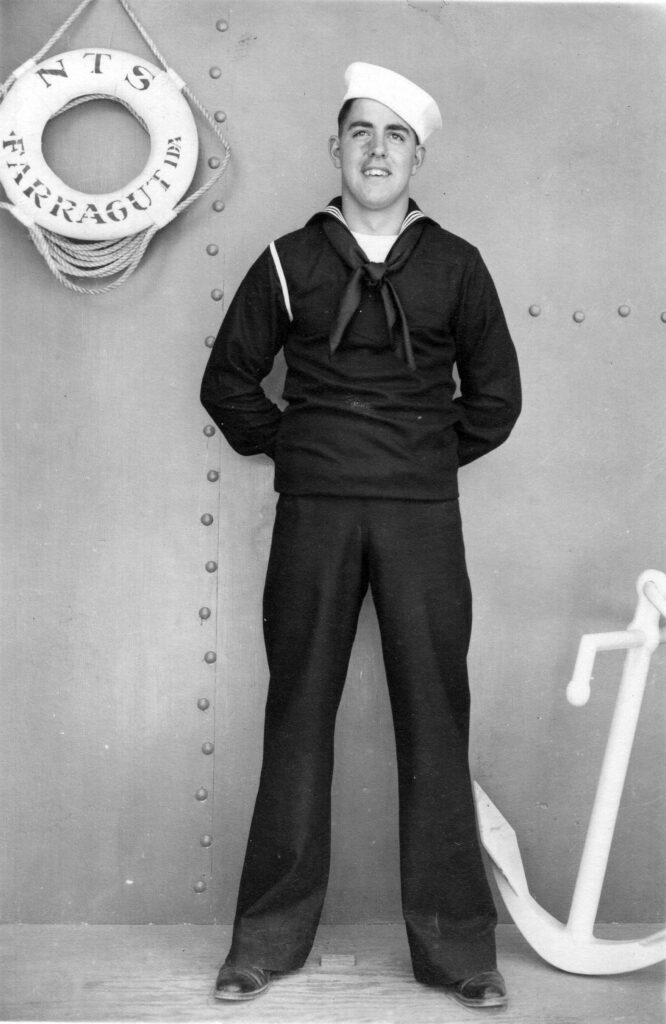
After finishing boot camp in October 1943, Jack went home on leave for 30 days where he became sick and ended up being hospitalized for 15 days; I don’t know that I was ever told what was wrong with him.
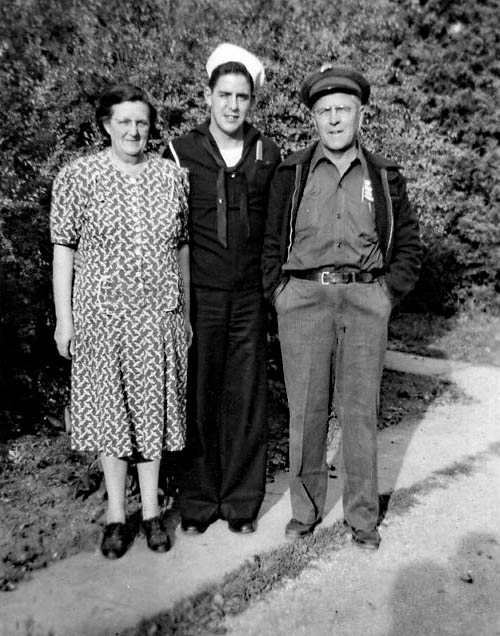
From July 6, 1943 through April 4, 1944 Jack was stationed at the U.S. Navy Hospital Corps Training School in San Diego, California as a Hospital Apprentice First Class. During the time he was there, he spent 3 months assigned to the Plastic Surgery Ward. It was while he was stationed on the Plastic Surgery Ward that one of the surgeons offered to remove the “port wine” stain (birthmark) from his face. Jack declined; it was a part of who he was. Jack graduated from the training school with an overall score of 85, becoming a Pharmacist’s Mate Third Class in the process.
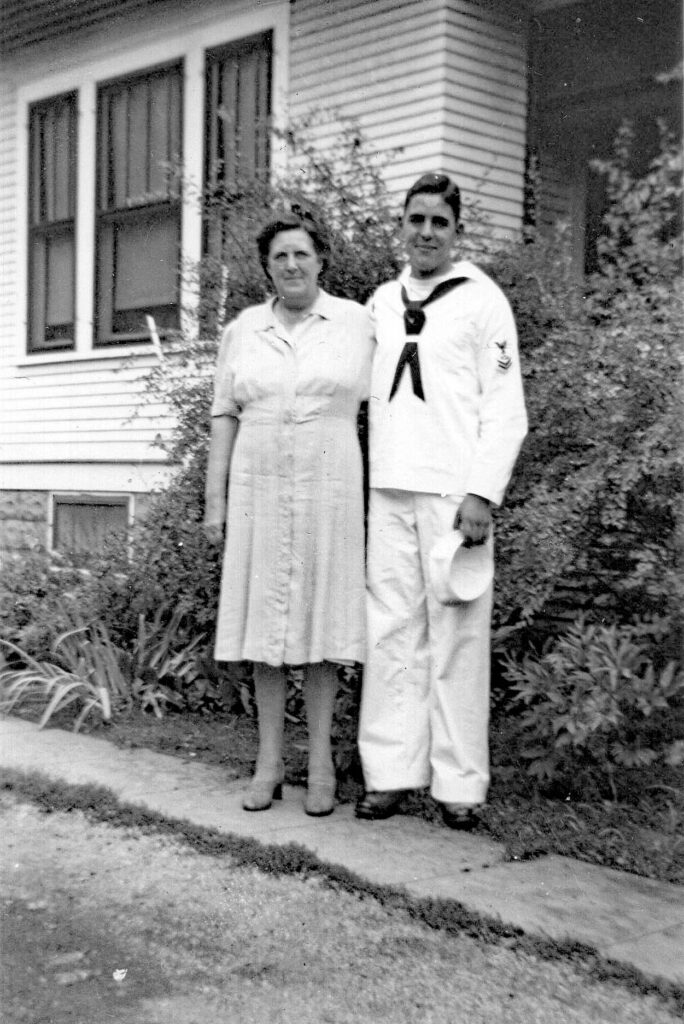
There are alongside the family home at 411 Bald Eagle Avenue.
From the training school Jack first was transferred to the Marine Corps at Camp Linda Vista, then to Camp Elliott and from there to Camp Pendleton located along the southern California coastline. Camp Pendleton covers over 125,000 acres (about 195 square miles) and had once been a part of the largest ranch in the world, Rancho Santa Margarita y Las Flores. The ranch used a cattle brand that later became closely associated with Camp Pendleton. At Pendleton Jack was assigned to Area 11 for field medical training. Jack wrote that, “When we went on liberty, once you were inside the gates at Pendleton, it was always a worry that we’d make it back to the barracks in time because the distance to our barracks was eleven miles.”
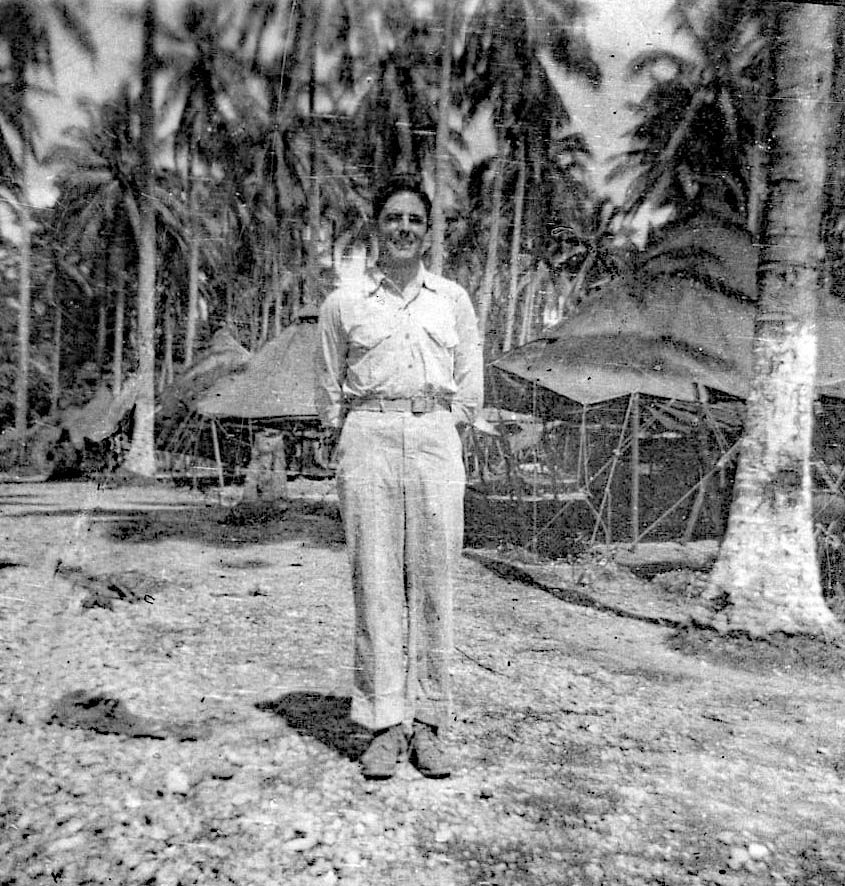
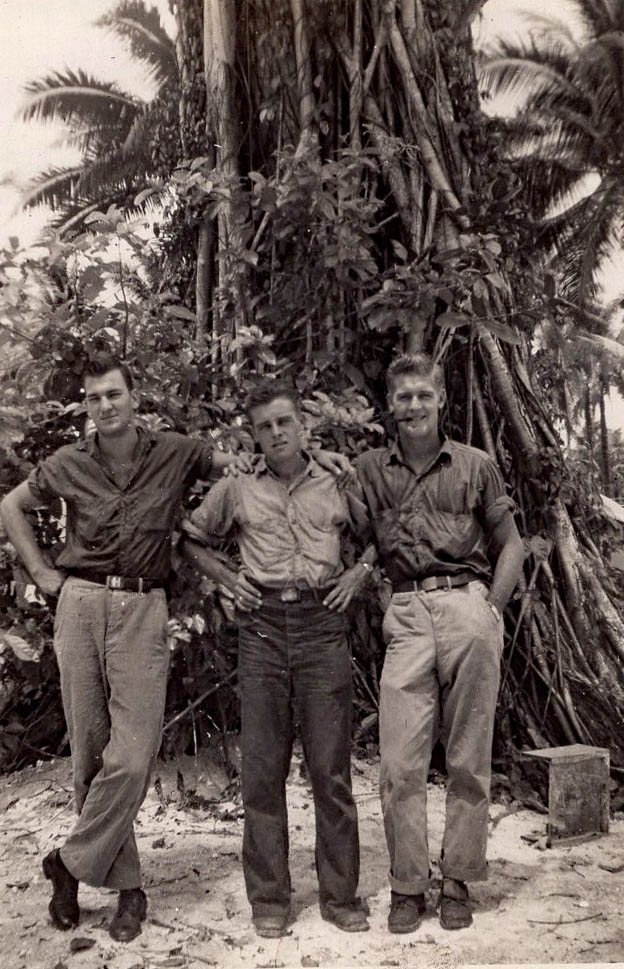
From Camp Pendleton Jack was sent to Hawaii where he witnessed the aftermath of Japan’s attack on Pearl Harbor. There he was placed in OGU (an Outgoing Unit). He wrote that, “One day a list came up for the 3rd Marine Division, actually the 3rd Amphibious Corp, and most of the fellows were drafted. There were four of us left: Bill Vanek, Gordon Whitemarsh, Pop Hurst and I, and after talking it over, we decided to volunteer for the unit. We went to the office and inquired if there was any more room in the 3rd and as it turned out there was room and the fellow signed us up. We were in the tail end of the invasion of Guam (July 21 through August 10, 1944), we had a Field Hospital there. I was picked out to work in the office as I could type very well. I had to type up H8 medical records by reading the doctor’s writing, which was a job in itself. All the records had to be punctuation perfect with no hyphens.”
Jack’s future wife, Beverly Wallerick, dated Bill Hoffman before dating Jack.
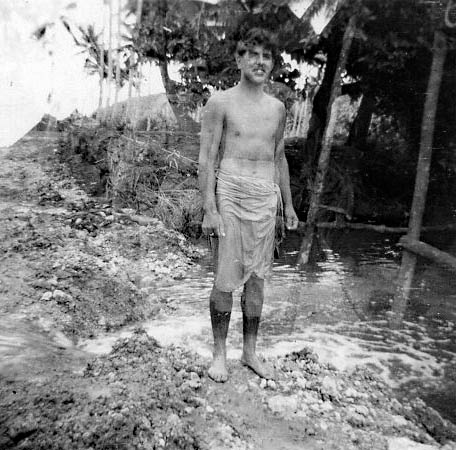
The makeshift covering is his shirt tied around his waist.
While stationed on Guam, Jack contracted dengue fever, a mosquito-borne viral illness. By the time he recovered, Jack had lost 55 pounds.
Jack was next sent to Guadalcanal and then back to Sumy, Guam by way of Enewetak Atoll in the Marshall Islands. In the realm of “it’s a small world,” Jack wrote that, “At Enewetak I met up with my first cousin, Lewis Heckel, I called him Pooka.” Once back on Guam, Jack was put in charge of a crew building a tent city. From Guam, as a member of the 3rd Marine Division, Jack played a part in the invasion of Iwo Jima, a battle that lasted from February 19 to March 26, 1945. He wrote that, “in the invasion of Iwo Jima, a lot of the fellows never made it back; one of our close friends had his leg blown off.” The division was then sent to Okinawa where the initial invasion, on 1 April 1945, was the largest amphibious assault of World War II in the Pacific Theater.
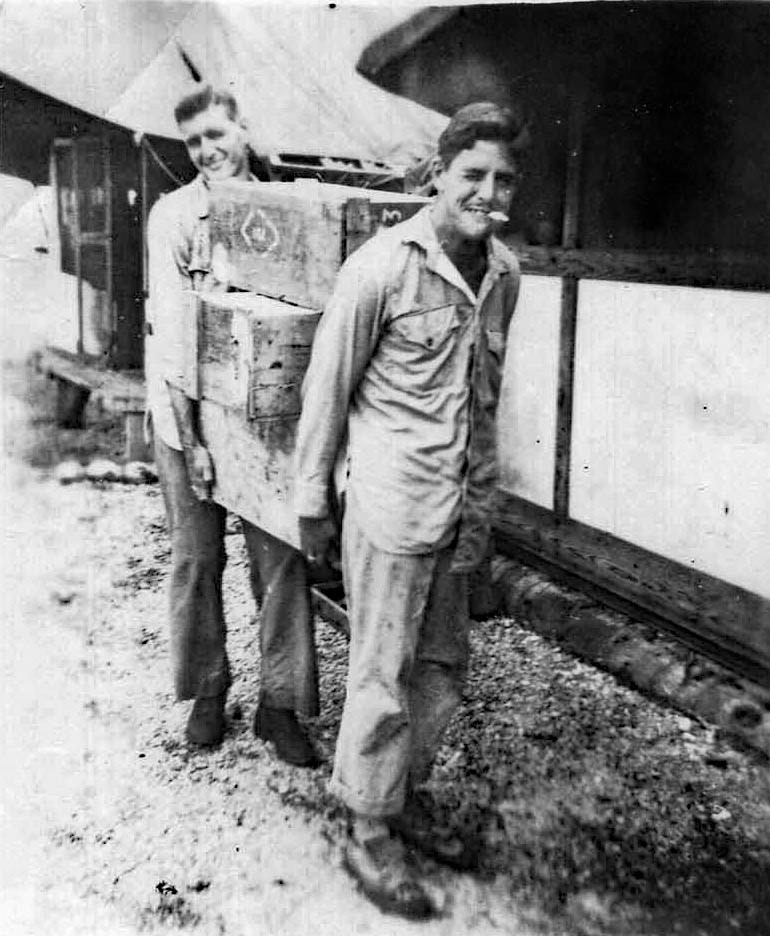
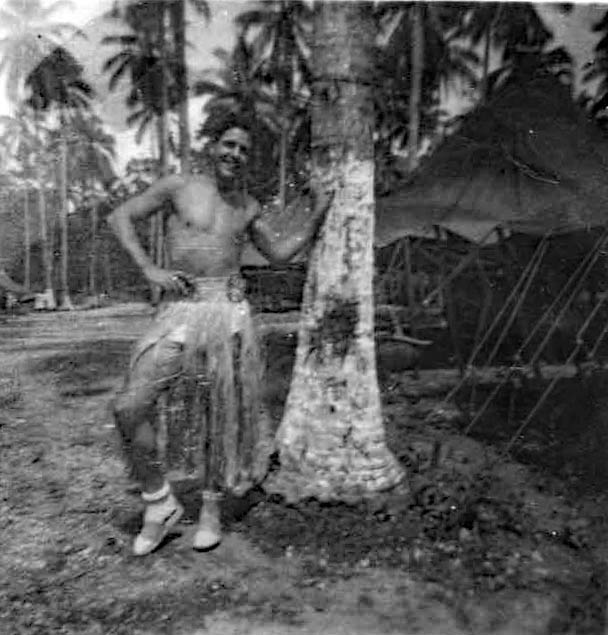
Jack, not as a sailor, but as a Marine, was on a number of troop and cargo ships including: USS Sea Star, USS Tate, USS Azalea City and the USS Lavaca.
After his division returned to Guam, Jack was on the roster to go home. Jack, along with 2 of his buddies, Vanek and Whitemarsh, men he would have a lifelong relationship with, decided to sign up for 3 months of duty in Tientsin (now Tianjin), China, a port in northern China that the Japanese had seized and occupied in 1937 during the Second Sino-Japanese War. Jack, Vanek and Whitemarsh had decided that they had already spent a lot of time in the Pacific so why not put in a few more months. The Japanese surrendered Tientsin in October 1945, at which time the job of the Marines stationed there was to disarm Japanese soldiers.
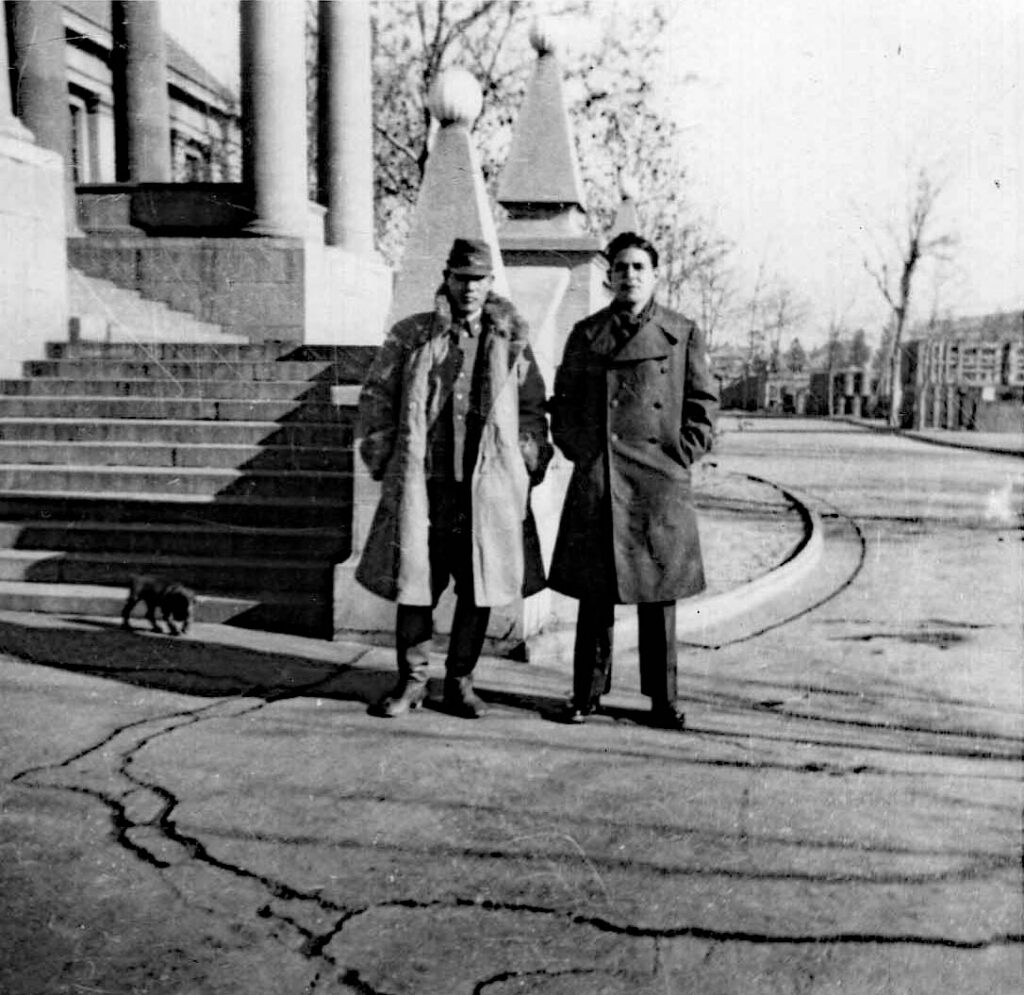
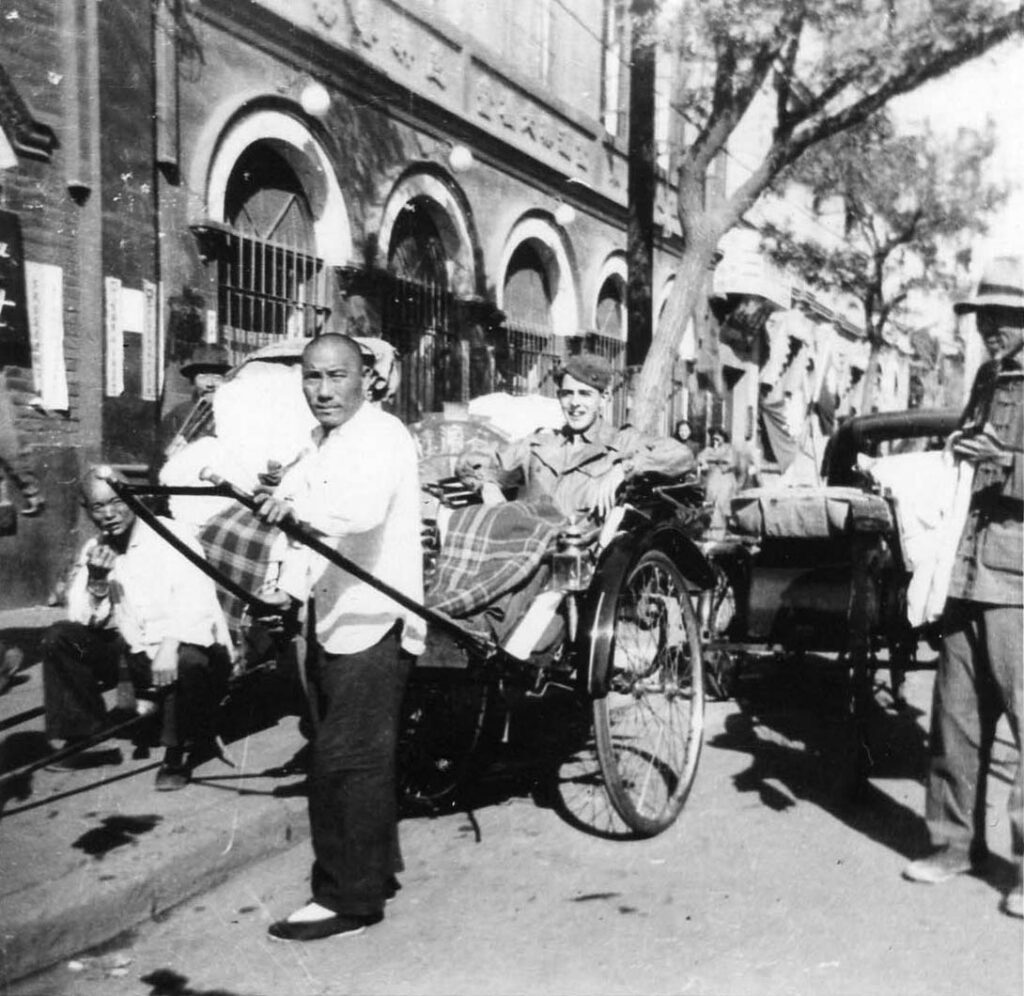
While in Tientsin, Jack had another “it’s a small world” experience. He wrote that, “At about 9 or 10 years old we moved from 1309 Fourth Street to 411 Bald Eagle Avenue. At around the same time, one of the fellows that I had hung around with also moved, from Campbell Avenue to Willernie. I never saw him until one day when I was with the Marine Corp in Tientsin, China. One of the fellows in my company came back to the base and told me he had seen a fellow from White Bear Lake who knew me. When I asked him his name, he had forgotten but he told me that he was aboard a LCVP (landing cargo boat) on the Yangtze River. There were hundreds of these types of boats on the river so I tried my best to find him. After having tried about 4 boats, I was looking through the log on a boat when a fellow came up alongside me and asked who I was looking for, here was the person, Lyle Martin, my friend from my youth.”
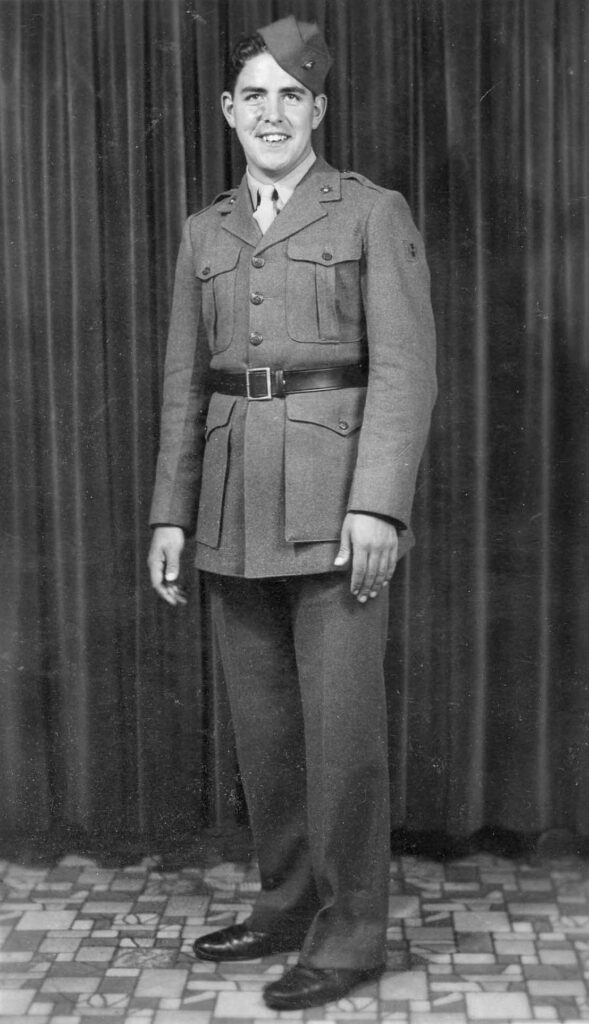
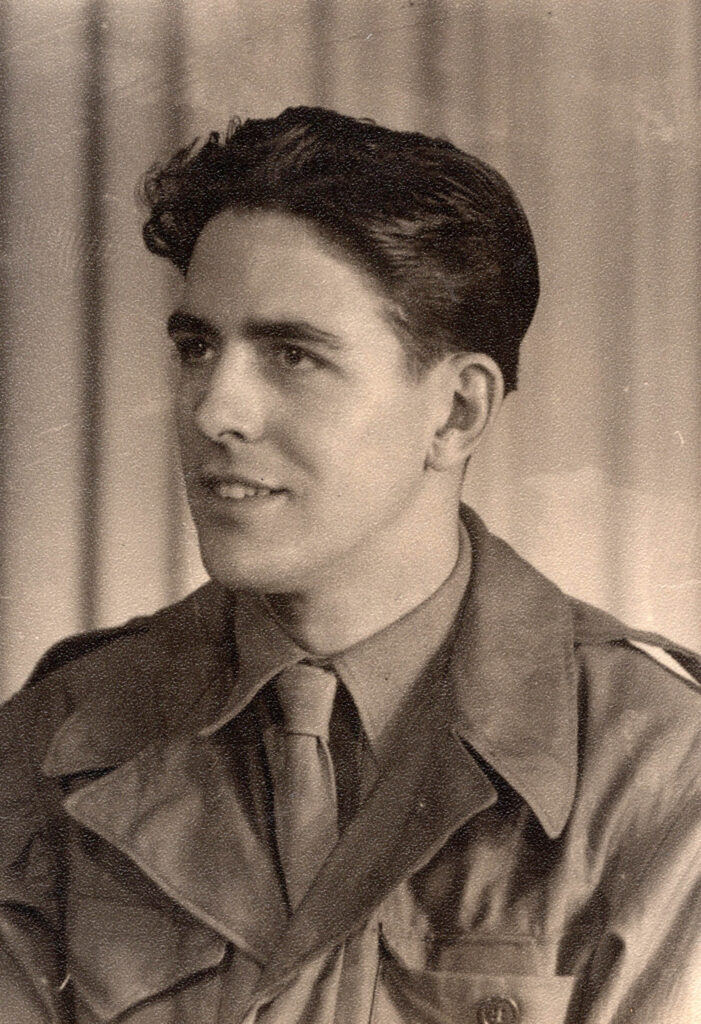
Jack was discharged from the service on February 24, 1946, just 5 days after his 21st birthday. The first person he saw when he got home was his brother Charles, who, at first glance, did not know Jack. Not only had Jack been gone for 2.5 years, but he had not gained back all the weight he had lost when he had dengue fever.
Upon his return home, Jack went to work at the family business, White Bear Oil Company, where he received his first paycheck at the end of March.
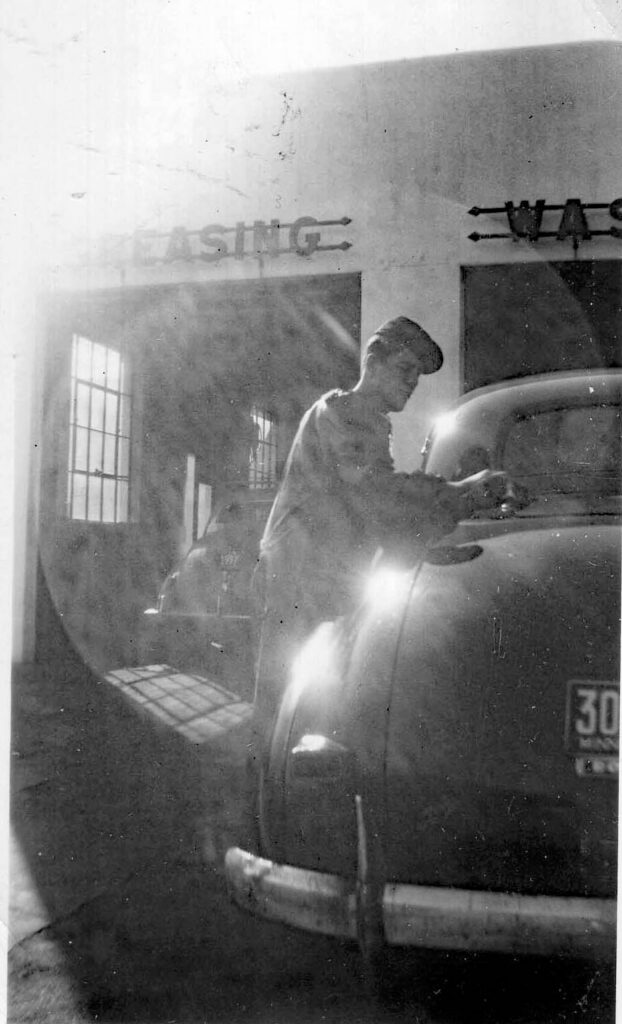
Jack was dating Joan Vinck, a local girl, when he went into the service. One of the letters Jack’s mother sent to him overseas mentions Joan coming to the house inquiring how Jack was doing. I don’t know whether he continued dating Joan upon his return.
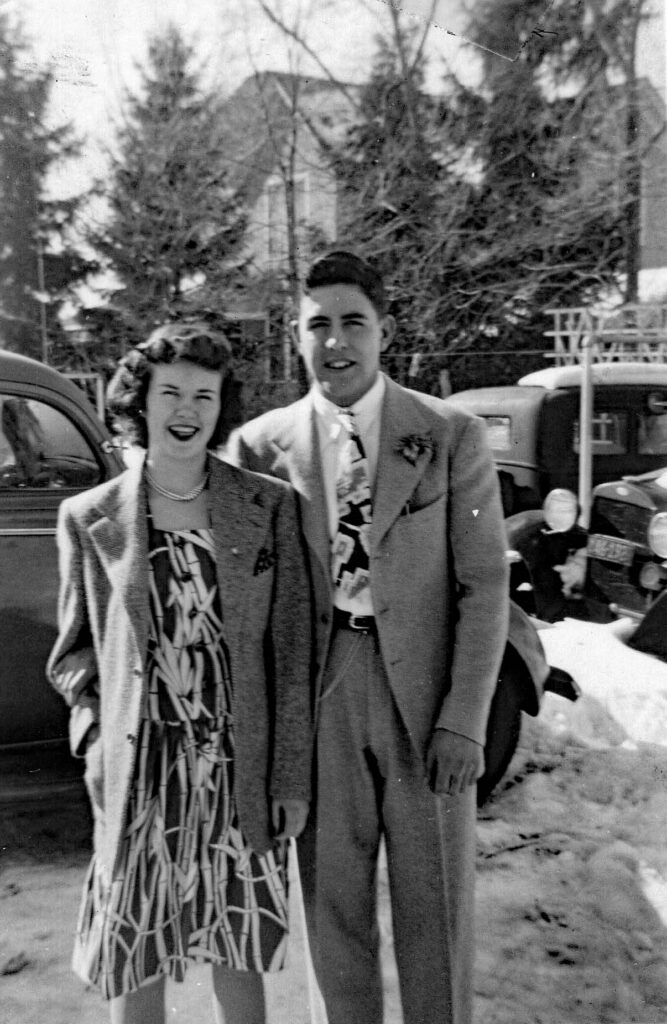
In 1946, not long after Jack returned from the war, he was out on a double date; I don’t know who Jack was with, but the other man’s date was Jack’s future wife, Beverly (Bev) Wallerick. It only took a few times going out as a foursome before Jack and Bev started holding hands under the table. They definitely were attracted to one another and it appeared that nothing was going to get in their way, including their respective dates.
Jack did not have his own car, so part of dating Bev involved his running the 9 miles into Bev’s parents’ home on Wells Street in St. Paul. One of the first times that Jack showed up at Bev’s home, Bev and her mother were upstairs in Bev’s bedroom which faced Wells Street. Upon seeing Jack, Bev’s mother told Bev that she was not going to go out with that boy because he had been in a fight. Bev replied, “He has not been in a fight, that’s a birthmark on his face and I’m going to marry that man.” On September 29, 1946 Bev and Jack were engaged to be married and the wedding date was set for April 26, 1947.
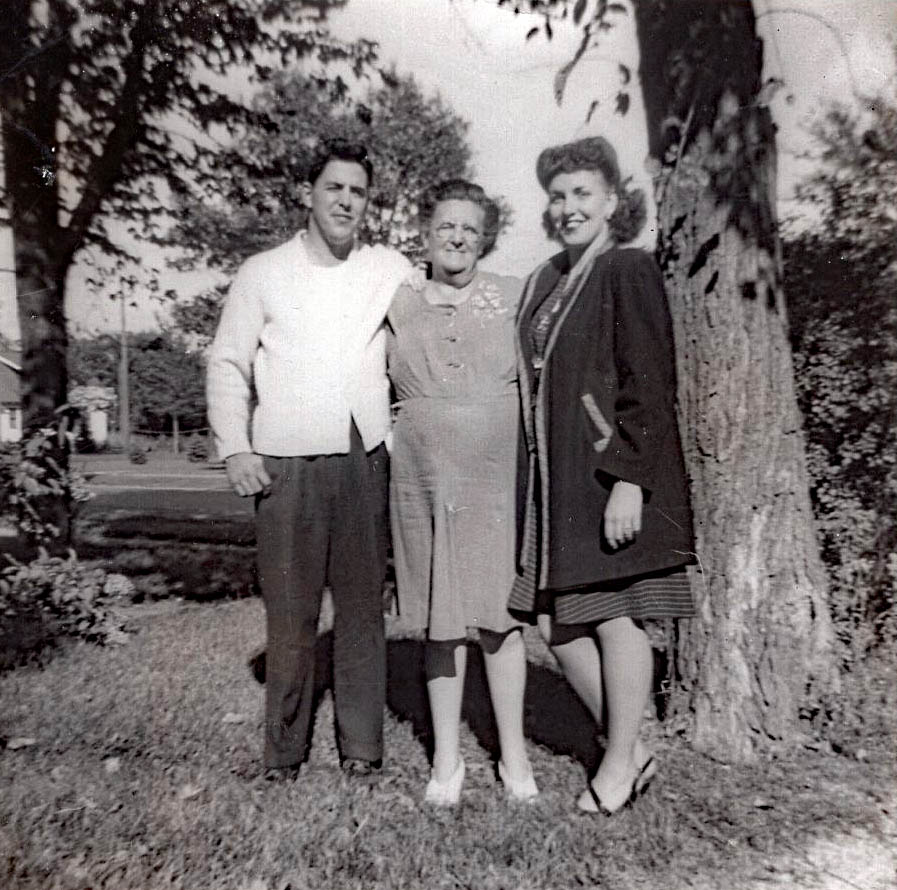
Jack is 21 years old and Bev is 19 years old. Jack is wearing his White Bear High School letter sweater.
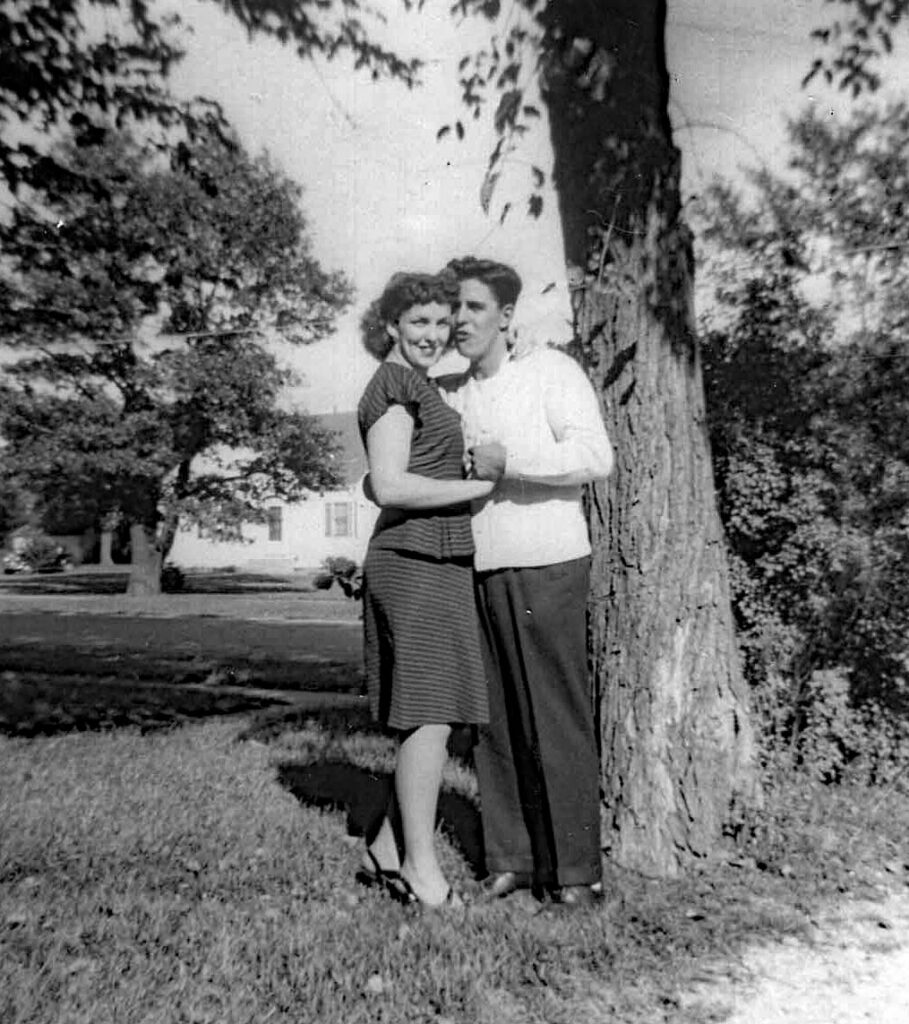
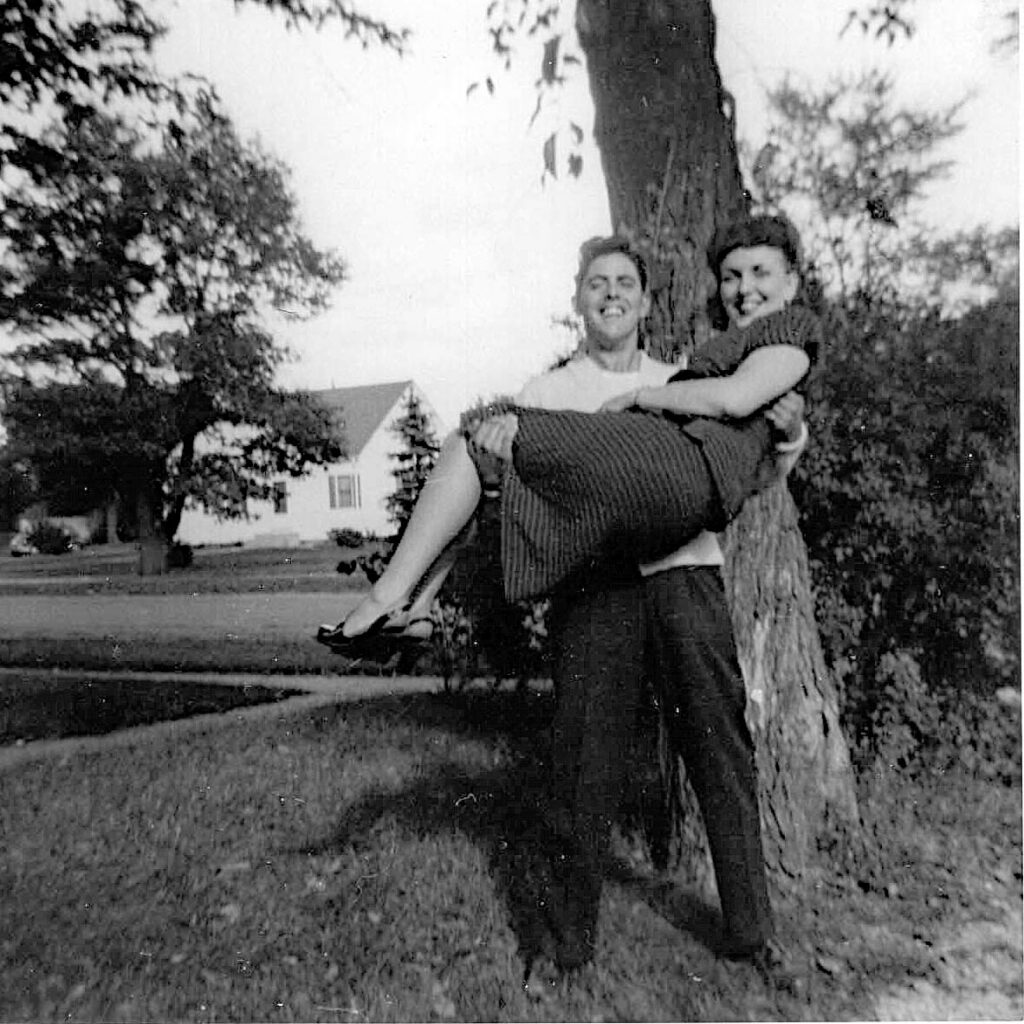
To be continued…
Thanks for visiting, come back soon,
Cynthia
© 2026 Copyright by Cynthia Vadnais, All Rights Reserved
LOVE LOVE LOVE learning all these things about your folks. Thanks so much Love you!
Thanks so much, Cynthia! I’ve loved reading these, and the photos are wonderful!